Herbie Nichols wrote his own notes for this record. He was born in Manhattan in 1919, to parents from St. Kitts and Trinidad, and grew up with the music of the islands in the house. He started classical lessons at nine and came to jazz piano through Roy Testamark. He names Bach, Bartók and Stravinsky alongside Jelly Roll Morton, Ellington and Tatum, and he mentions, in passing, that he loves chess. Above all he wanted to write.
I guess I've always had a burning desire and compulsion to compose.
Herbie Nichols, original liner notes
There were three dates, all at Rudy Van Gelder's in Hackensack, with Max Roach on drums throughout. On August 1 and August 7, 1955, Al McKibbon played bass; on April 19, 1956, it was Teddy Kotick. The three days produced 29 takes of 18 tunes. Ten made this record. The rest waited for later reissues, most on Mosaic's complete Nichols set.
Nichols tells you what each tune pictures. On Side one, "The Gig" is a happy modern jam session in a 67-bar chorus. "House Party Starting" begins unsure whether anyone will come, then fills up. "Chit-Chatting," his brother Austin's idea, is the noise of a crowded club. "Lady Sings the Blues" was first called "Serenade"; Billie Holiday heard it one night and began making up her own words to it on the spot. "Terpsichore" was written with the tap dancer Teddy Hale in mind.
Side two is mostly the 1956 date. "The Spinning Song" is about living week to week, up and down. "Wildflower" is a dancer who catches a bored man's eye at a party. "Hangover Triangle," from the first date, was written on a park bench one summer night. The record closes with "Mine," the one tune not his: a Gershwin song he wished he had written.
McKibbon, Nichols says, has a jazz sound like Blakey's tuned drums, and Kotick an iron discipline.
It was a pleasure to make these recordings with the matchless drummer, Max Roach.
Herbie Nichols, original liner notes
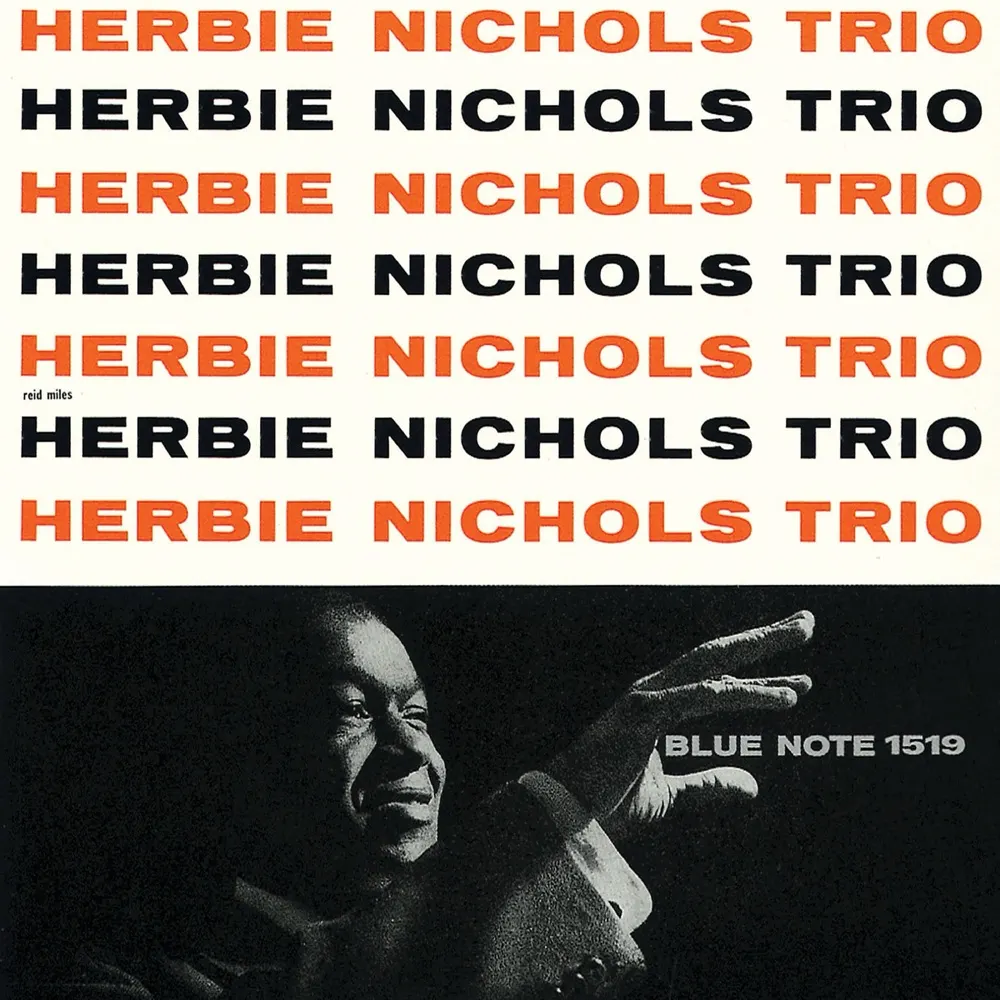
The sleeve is Reid Miles's design with a Francis Wolff photograph.
Nat Hentoff gave it four and a half stars in Down Beat and added a word for the man who paid for it: "Again Alfred Lion deserves commendation for having this much faith in what has been an initially uncommercial product." Wikipedia says the record went largely unnoticed at first. This was Nichols's last session for Blue Note, and he died in 1963.