Blue Note session · in the studio
July 17, 1945
Ike Quebec's Swing Seven
- This day's music is on 2 records: Swing Hi-Swing Lo, Mellow The Mood: Jazz In A Mellow Mood
In the room
- Ike Quebec – tenor sax
 Buck Clayton – trumpet
- Keg Johnson – trombone
 Tiny Grimes – guitar
- Roger Ramirez – piano
- Grachan Moncur – bass
 J.C. Heard – drums
The takes
2 of these 6 takes stayed in the vault at the time: alternates and tunes that weren't issued. Switch to hear only the ones that came out on the records.
What the numbers mean
BN308-2 is a matrix number: Blue Note gave every tune it recorded the next number in one running series (BN308 is "Humph"), and the figure after the dash is which take of that tune was kept. Early on the series starts each tune's takes at 0, so -0 is usually the first try.
tk. 5 is the take as counted through the whole day, from the first tune to the last: the way the studio's log and, from the mid-1950s, Rudy Van Gelder's tapes number them. Later dates have only these.
On the earliest records (1939–40) the numbers in the matrix place, like 486A-1 or GM535-6, are the masters' numbers from the studios and pressing plants Blue Note used before it had its own series.
| Matrix · take | Title | First out on |
|---|---|---|
| BN246-0 | I've Found A New Baby (alternate take) | Not issued at the time · later on Mosaic MR4-107 |
| BN246-1 | I've Found A New Baby | BLP 5027 |
| BN247-0 | I Surrender, Dear | BLP 5001 |
| BN247-1 | I Surrender, Dear (alternate take) | Not issued at the time · later on Mosaic MR4-107 |
| BN248-1 | Topsy | 78 · 515 |
| BN249-0 | Cup-Mute Clayton | 78 · 515 |
Where it ended up
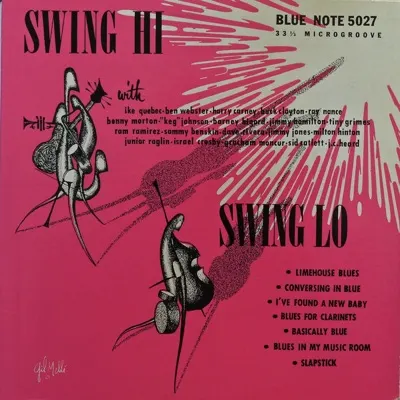 BLP 5027 · 1953Swing Hi-Swing LoVarious Artists
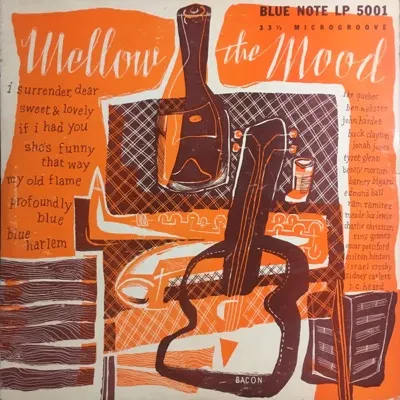 BLP 5001 · 1952Mellow The Mood: Jazz In A Mellow MoodVarious Artists
Together elsewhere
The other albums at least two of these players are on together.
2 of them 3 albums
| No. | Title | Leader | Year | Who | |
|---|---|---|---|---|---|
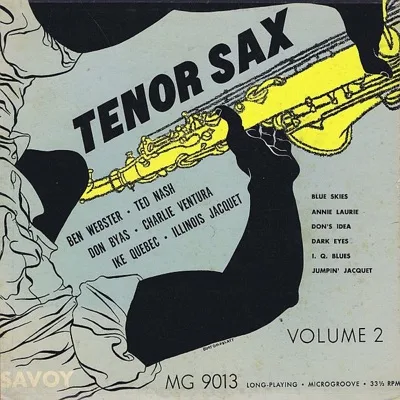 | MG 9013 | Tenor Sax Solos Volume 2 | Various Artists | 1952 | Ike Quebec, J.C. Heard |
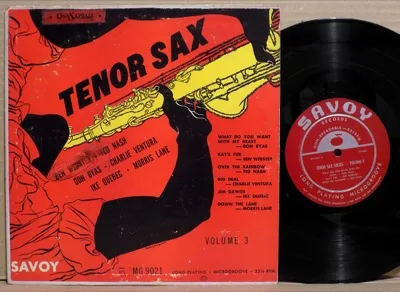 | MG 9021 | Tenor Sax Solos Volume 3 | Various Artists | 1953 | Ike Quebec, J.C. Heard |
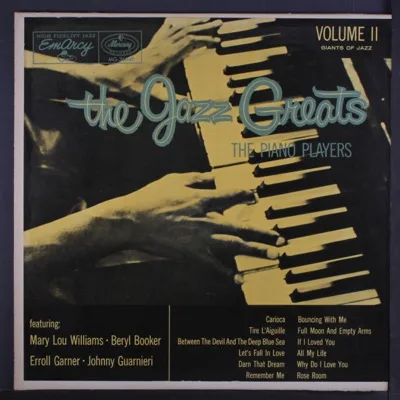 | MG-36049 | Volume II-Giants Of Jazz - The Jazz Greats: The Piano Players | Various Artists | 1956 | Buck Clayton, J.C. Heard |