Step 1 of 12
Start with his father's song
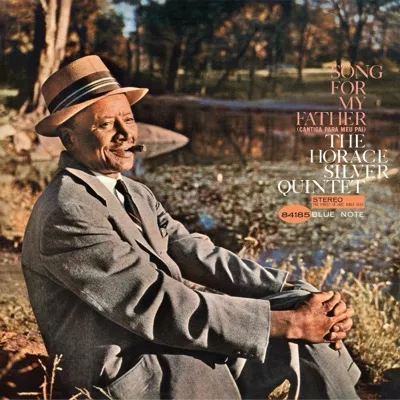
Song For My Father Horace Silver · Blue Note BLP 4185 · 1964
Released early in 1965, Song For My Father is the Horace Silver record most people have heard, even if they don't know the name. The man on the cover is his father, John Tavares Silver, born on Maio, one of the Cape Verde Islands, who taught his son the folk music of home. Silver built the title tune on a bossa nova rhythm he picked up on a three-week trip to Brazil in early 1964. The record caught his band in change: two tracks come from October 31, 1963, with his long-running quintet, the rest from October 26, 1964, with a new one, Carmell Jones on trumpet and Joe Henderson on tenor. It is the warmest way in, and it shows what Silver does best: a groove, a melody you can sing, and a band built around both.
Start with
- Song For My Father
- The Kicker
- Lonely Woman
The title tune has only four chords and a repeating figure in the bass; Steely Dan borrowed its opening notes for "Rikki Don't Lose That Number" ten years later. Bill Kirchner, writing for jazz.com, praises Henderson's solo on it, which grows out of three notes. "The Kicker" is Henderson's tune, the only one Silver didn't write. "Lonely Woman," from 1963, is a ballad for the trio alone.
Open the record✓ Heard