Step 1 of 12
Start here: his one Blue Note
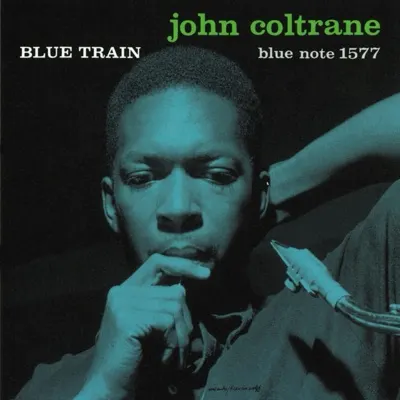
Blue Train John Coltrane · Blue Note BLP 1577 · 1957
1957 was the year John Coltrane turned his life around. Miles Davis had let him go that spring over his heroin habit. He got clean, and spent the second half of the year playing with Thelonious Monk. On Sunday, September 15, he went to Rudy Van Gelder's studio in Hackensack with a sextet he picked himself: Lee Morgan, Curtis Fuller, Kenny Drew, and Paul Chambers and Philly Joe Jones from the Davis band. Four of the five tunes are his own. It was the only date he ever led for Blue Note, and in 1960 he still named it as a favorite of his own records. It is bluesy, warm and easy to love, which is why it comes first.
Start with
- Blue Train
- Moment's Notice
- I'm Old Fashioned
"Blue Train" is a slow, moody blues, and Coltrane takes the first solo, before Morgan, Fuller and Drew. "Moment's Notice" is livelier and full of turns, and Chambers solos with the bow. "I'm Old Fashioned" is the one tune he didn't write, an old popular song a friend suggested, played as a delicate ballad. Three moods from one afternoon: a blues, a hard-swinging original and a love song.
Open the record✓ Heard