1957 was the year John Coltrane turned his life around. Miles Davis had let him go earlier that year over his heroin habit. He got clean, and by summer he was playing with Thelonious Monk at the Five Spot in Greenwich Village. Robert Levin, in the original notes, has the Monk quartet heading into its 15th straight week there. Coltrane was signed to Prestige, but he had made a handshake deal with Alfred Lion, and Blue Note says this record was how he kept it.
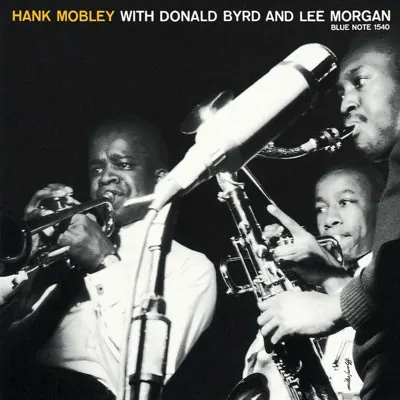
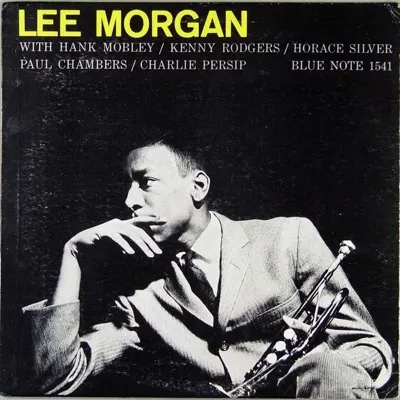
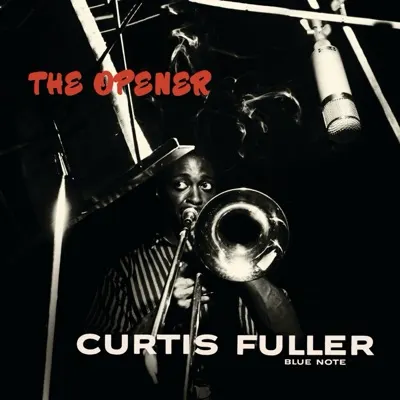
The date was Sunday, September 15, 1957, at Rudy Van Gelder's studio in Hackensack. Levin writes that Coltrane picked the band himself: Lee Morgan on trumpet, Curtis Fuller on trombone, Kenny Drew on piano, and two old friends from the Davis group, Paul Chambers on bass and Philly Joe Jones on drums. Wikipedia notes that, unlike Prestige, Blue Note paid for rehearsals. The day ran to 14 takes, and five made the record. Levin heard a "free, but not disorganized, blowing mood." The record came out in January 1958, which is why some sources, Wikipedia among them, give it that year while the Jazz Discography Project files it under 1957.
Side one opens with "Blue Train," a moody blues. Coltrane goes first, then Morgan, Fuller and Drew, with a short word from Chambers. "Moment's Notice" is livelier, and Chambers takes his solo with the bow. On side two, "Locomotion" is an uptempo blues that starts with Philly Joe alone before the horns hit the riff. Then comes the one tune Coltrane didn't write.
I'm Old Fashioned, a pretty, old popular song that was suggested to Trane by a friend is rendered a delicate treatment.
Robert Levin, original liner notes
The closer, "Lazy Bird," is a harmonic cousin of Tadd Dameron's "Lady Bird," as Wikipedia points out. Drew plays it in, and Morgan solos first.
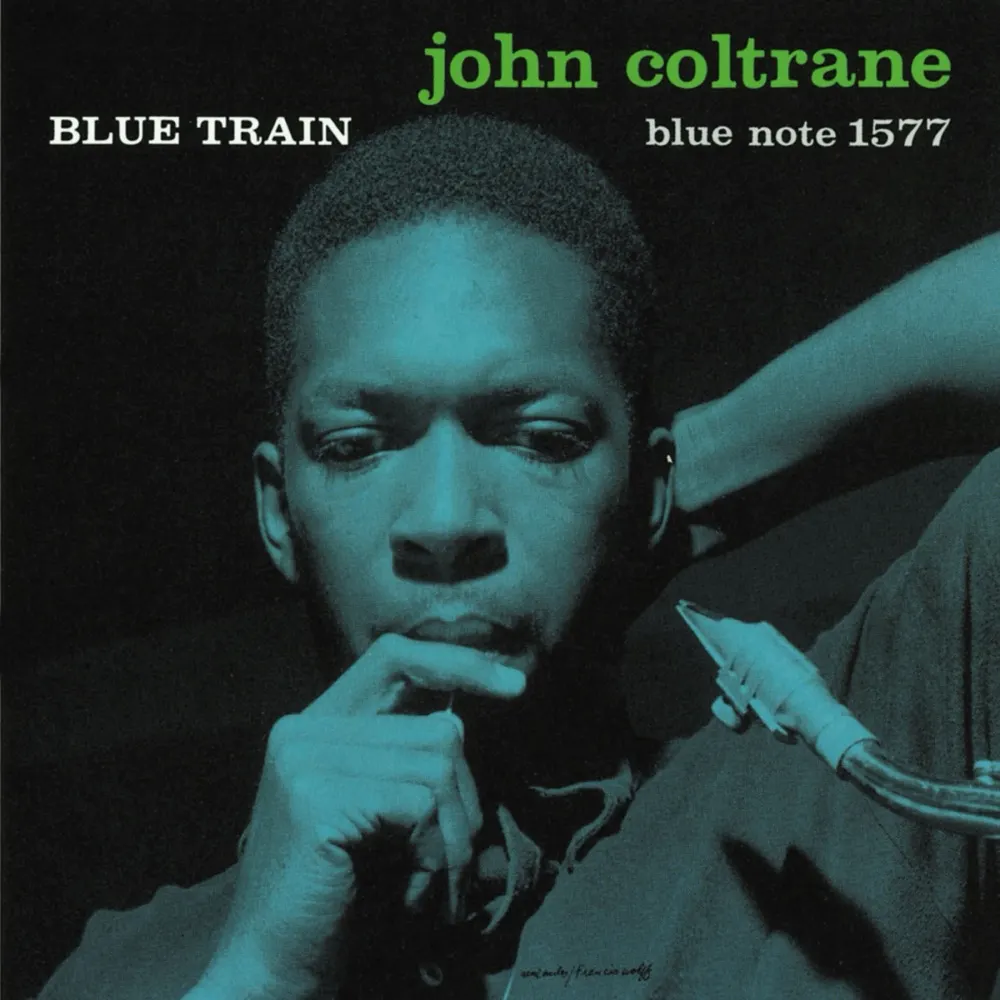
The sleeve is Reid Miles's design around a Francis Wolff photo: Coltrane in deep blue, leaning back, a reed in his mouth, the title in white above him.
It was the only date Coltrane ever led for Blue Note. He was back with Davis before the year was out, and Giant Steps was two years away. He kept a soft spot for this one. Asked in 1960 for his favorite of his own records, he said:
Oh, I like Blue Train myself. It's a good band on there, you know.
John Coltrane, 1960, quoted by Blue Note Records