Step 1 of 12
First date as a leader, 1947
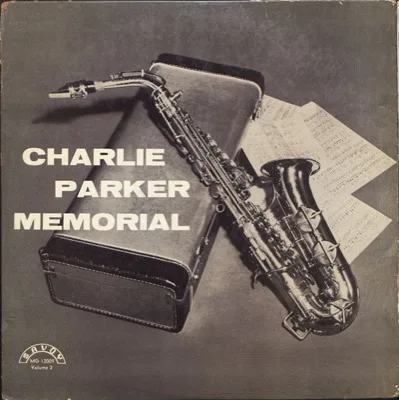
Charlie Parker Memorial Volume 2 Charlie Parker Rebeboppers / The Be Bop Boys · Savoy MG 12009 · 1955
This Savoy LP gathers Charlie Parker sessions from 1945 to 1948, but one date on it belongs to Davis. On August 14, 1947, he led his first session, as the Miles Davis All Stars, with Parker playing tenor saxophone instead of alto, John Lewis on piano, Nelson Boyd on bass and Max Roach on drums. Davis was 21. The tunes were credited to him, and they are cooler and more spacious than Parker's, showing him already thinking as a composer. Around them, Parker's own dates show the band Davis was playing in every night.
Start with
- Milestones
- Half Nelson
- Sippin' At Bells
This "Milestones" is not the 1958 tune; it is a medium-tempo theme of long notes. Listen to Parker on tenor, a heavier sound than his alto, and to Davis, relaxed and in the middle of his horn. "Half Nelson" is a bebop line on the chords of Tadd Dameron's "Lady Bird"; "Sippin' at Bells" is a twisting blues.
Open the record✓ Heard