Johnny Griffin was born in Chicago in 1928 and learned his trade at DuSable High School under Captain Walter Dyett, the band teacher who also taught Nat "King" Cole. He joined Lionel Hampton's band right out of school, made his first records with it at 17, and moved to tenor at Hampton's urging. After that came about two years in Joe Morris's group, more rhythm and blues work, and two years in the Army. Then he went home to Chicago.
Joe Segal, in the original notes, finds him there leading a quartet at the Flame Show Lounge, fresh from two weeks with Thelonious Monk at the Bee-Hive. Monk had urged Riverside to sign him. Blue Note got there first. Segal puts the local view simply:
Among saxophonists, Johnny Griffin, by many, is considered to be “the man!”
Joe Segal, original liner notes
The date was Tuesday, April 17, 1956, at Van Gelder's in Hackensack, with Alfred Lion producing. It was Griffin's first record as a leader. With him were Wynton Kelly on piano, Curly Russell on bass and Max Roach on drums. Nine tunes were taped and seven made the record.
Side one opens with Griffin's "Mil Dew," which Segal says takes off from Roach's introduction, with Griffin and Roach trading fours. "Chicago Calling," also Griffin's, is lighter, and Segal hears a likeness to Gigi Gryce's "Social Call." Kelly has a solo on "These Foolish Things" and plays the introduction to "The Boy Next Door."
Side two starts with "Nice and Easy," a Griffin blues where Kelly solos and Russell takes one of his few recorded solos. Cole Porter's "It's All Right with Me" goes at a breakneck tempo, with a Latin feel on the bridge each time around. The record closes with "Lover Man," the longest track, which Segal hears Griffin play with a tender, rich tone.
Blue Note put two 45s out from the date, pairing "Mil Dew" with "Chicago Calling" and "The Boy Next Door" with "Nice and Easy." The LP came out in February 1957; the Jazz Discography Project files it under 1956 and Wikipedia under 1957. "The Way You Look Tonight" and "Cherokee" stayed in the can until the 1980s.
Nat Hentoff gave the record three and a half stars in Down Beat.
Griffin is a full-throated, blues-deep wailer with a big tone, a fierce beat, and that life-cry in his sound
Nat Hentoff, Down Beat, reprinted on The Jazz Tome
A year later Griffin was back at Van Gelder's with John Coltrane and Hank Mobley for A Blowin' Session. By 1958 he had taken Coltrane's place in Monk's quartet at the Five Spot.
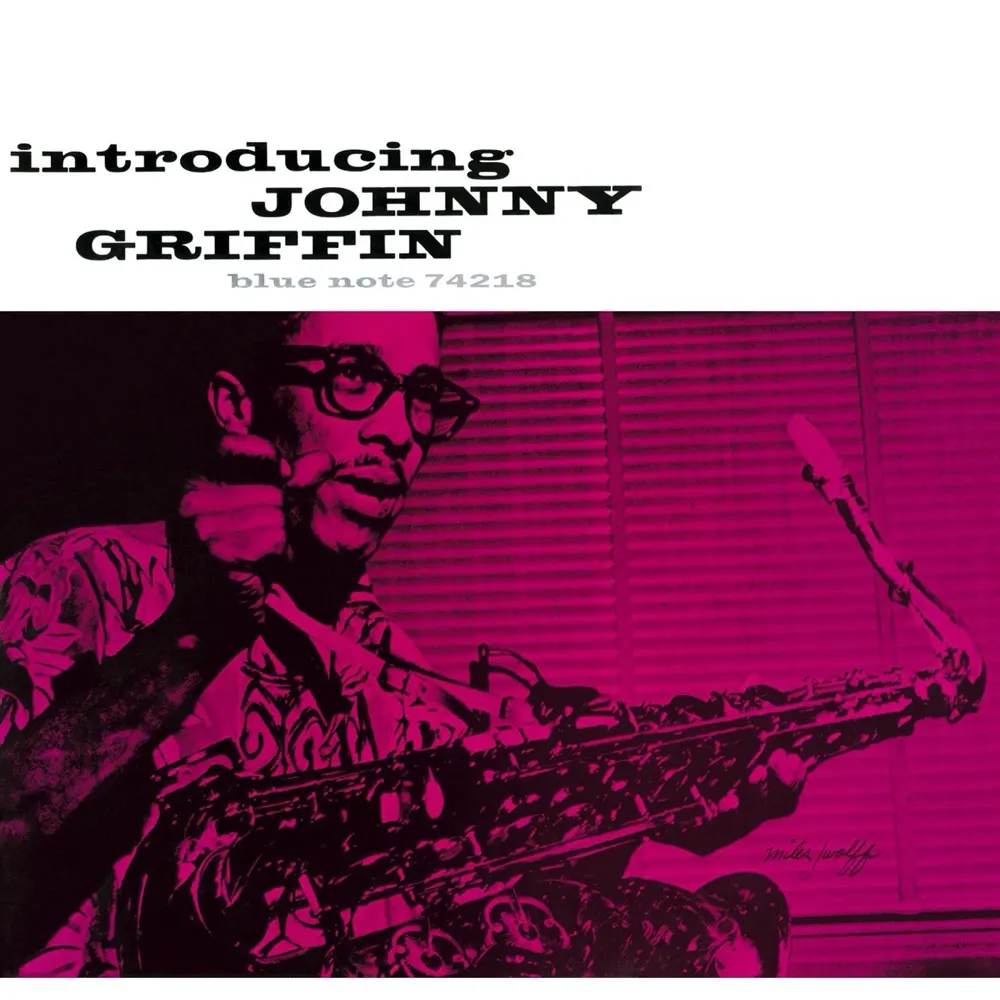
 Johnny Griffin – tenor sax
 Wynton Kelly – piano
 Curly Russell – bass
 Max Roach – drums