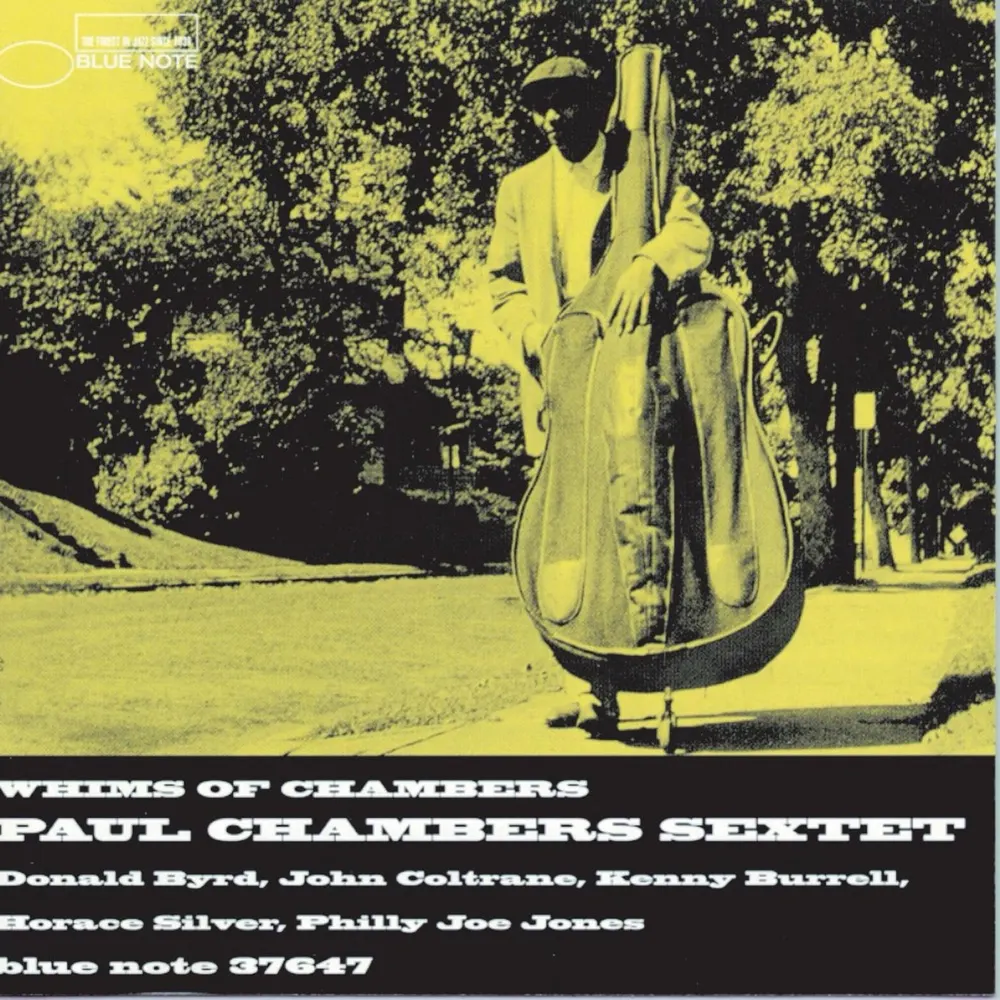
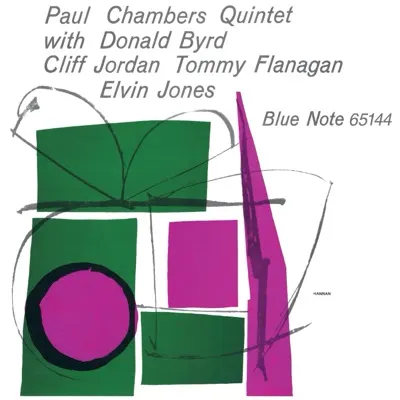
Paul Chambers was 21, and already the bass player everyone wanted. Born in Pittsburgh and raised in Detroit, he came to New York with Paul Quinichette's band, and by 1956 he had spent about a year and a half with Miles Davis. Leonard Feather, in the original notes, places him in the short line of bassists who followed Jimmy Blanton, and calls him the first jazzman known as a soloist both with the bow and with his fingers. Feather calls this Chambers's first Blue Note LP as a leader; a Billboard notice reprinted on The Jazz Tome calls it only his second as a headliner anywhere.
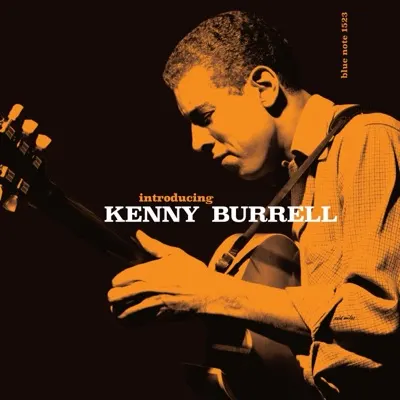
The date was Friday, September 21, 1956, at Rudy Van Gelder's in Hackensack, with Alfred Lion producing. Chambers brought two of his bandmates from the Davis group, John Coltrane on tenor and Philly Joe Jones on drums. Donald Byrd, who had gone to Cass Tech in Detroit like Chambers, played trumpet. Horace Silver played piano, and another Detroiter, Kenny Burrell, guitar. Seven tunes were taped and all seven made the record. Not every tune uses the whole band: the title tune leaves out the horns, "Dear Ann" leaves out Coltrane, and "Tale of the Fingers" is a trio.
Side one opens with Byrd's "Omicron," which has an introduction and a coda in 6/8 and a plucked solo from the leader. "Whims of Chambers" is a blues, with bass and guitar playing the line an octave apart. Coltrane wrote "Nita," and Feather singles out Jones's drum solo.
Side two starts with "We Six," a minor theme by Byrd, where Chambers solos with the bow before Burrell and Silver. "Dear Ann" is named for his wife. Feather's favorite was the trio piece, built on the chords of "Strike Up the Band":
it opens with four choruses of bowed bass, and never before have there been 128 measures even remotely like this.
Leonard Feather, original liner notes
The record closes with Coltrane's "Just for the Love," on which all six players take a turn.
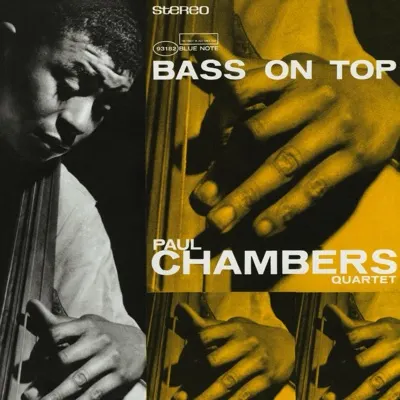
Wikipedia credits the sleeve to Reid Miles, with photography by Francis Wolff.
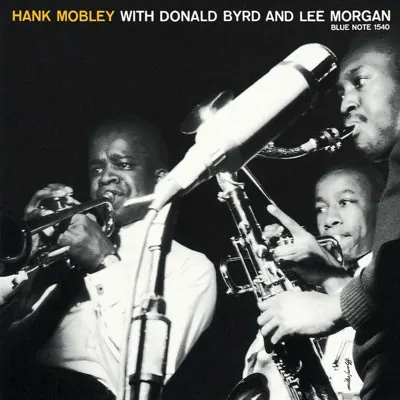
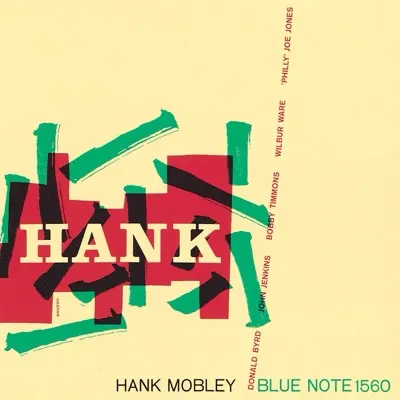
The record was out by January 1957, when Billboard reviewed it. Much later, Scott Yanow at AllMusic wrote that it would be worth having even without Coltrane on it. Two months after this date Chambers was back at Van Gelder's, on bass for Hank Mobley's sextet.