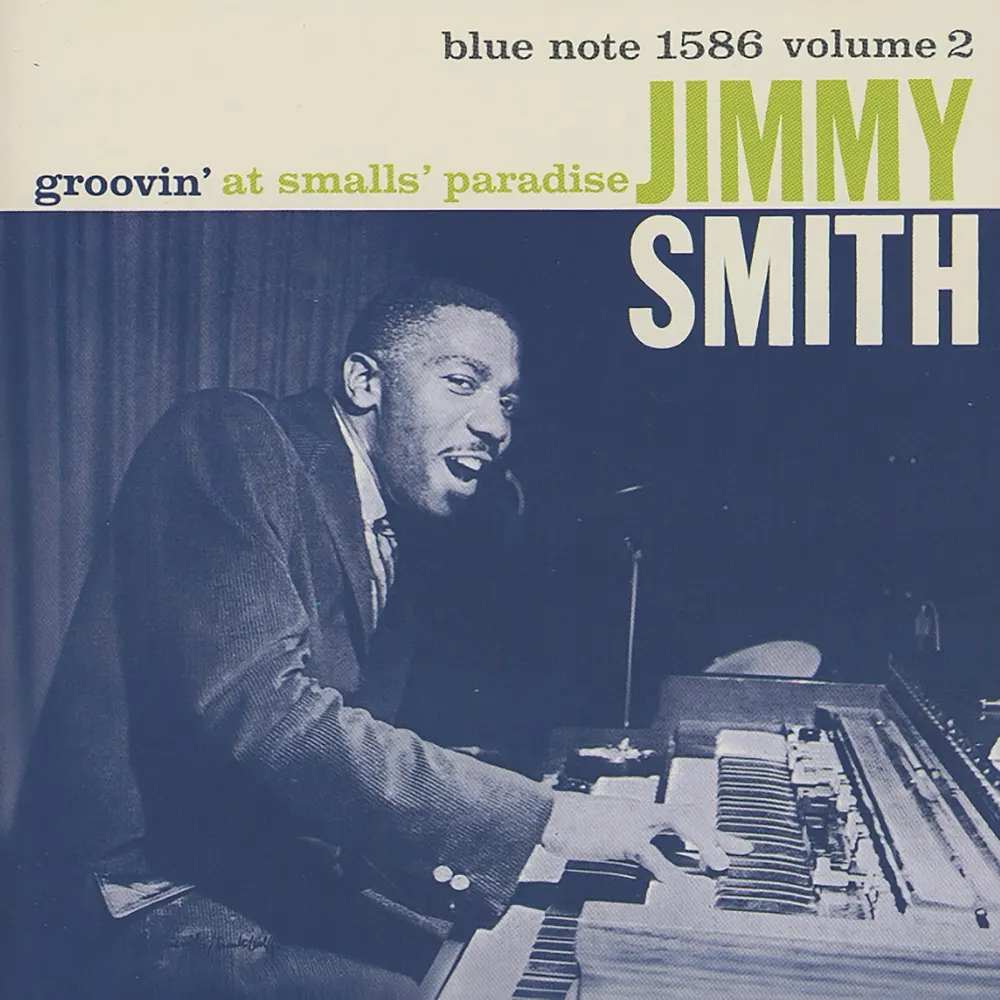
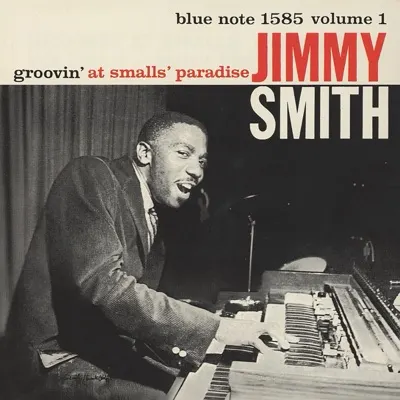
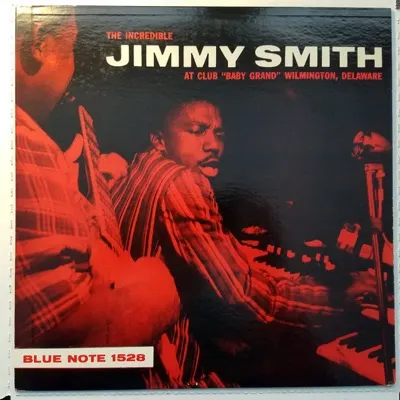
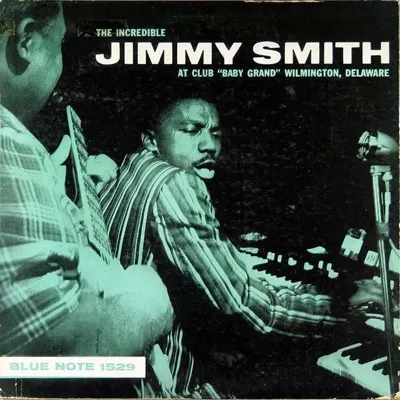
Jimmy Smith had already recorded three times for Blue Note in 1957 with the same trio, Eddie McFadden on guitar and Donald Bailey on drums, all of it at Manhattan Towers in New York. On Friday, November 15, Alfred Lion took them uptown to Harlem instead, to play for a paying crowd. Leonard Feather, in the original notes, points out that no one had made an album at Smalls' before.
Feather spends much of his essay on the room and the neighborhood. Ed Smalls had first opened at Fifth Avenue and 135th Street, then in 1926 moved to a basement at Seventh Avenue and 135th. Feather counts it with the Cotton Club and Connie's Inn as one of Harlem's three big show spots, and borrows John Hammond's memory of it as a Black-owned club that kept no color line. By 1957 Smalls had sold out, and the manager, Gene Tyler, let Blue Note set up on the spot. Wikipedia credits Rudy Van Gelder as engineer.
The trio played 16 takes that night. Nine were issued, split across this record and BLP 1585, Volume 1. You can hear the crowd, and Billboard liked it: "Crowd noises lend an attractively informal atmosphere to the sets." Feather even catches a woman in the audience calling for "I Can't Give You Anything But Love." The trio had played it earlier in the evening, but that take stayed in the vault until the CD.
Side one opens with "Imagination," which Feather says Smith introduces with a paraphrase of the melody, played as a fast single-note line. McFadden's guitar brings in "Just Friends" at a medium bright tempo, and Feather liked it best of the set. Then "Lover Man." Sputnik had gone up six weeks before the gig.
Lover Man has another of those Sputnik-like Morse-code solos by Jimmy
Leonard Feather, original liner notes
Side two has two long ones. "Body and Soul" starts with a long, suspenseful introduction. "Indiana" runs past 15 minutes, and by Feather's account it belongs mostly to McFadden. Feather gives Bailey his due too, for his snare accents and for slipping into double time under the guitar.
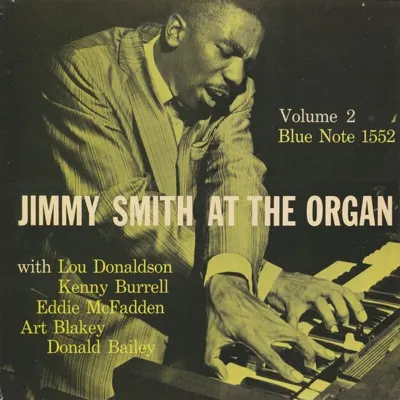
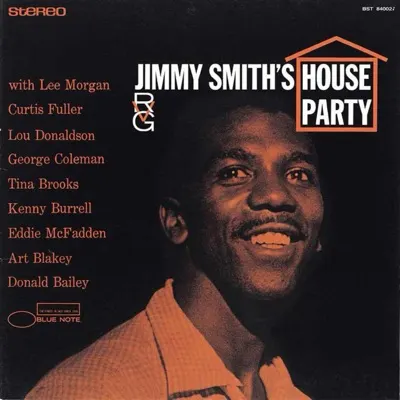
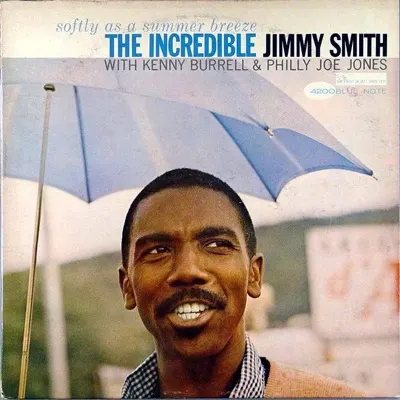
The sleeve was designed by Reid Miles, with photography by Francis Wolff.
Down Beat's Don Gold was not won over. He gave the record two stars, found Smith's style showy, and thought McFadden the best reason to listen. The Penguin Guide to Jazz later put it in its core collection. In time the whole night went onto a two-CD set, with four more tunes from the same performance.