Blue Note session · in the studio
September 13, 1959
Horace Silver Trio
In the room
 Horace Silver – piano
- Gene Taylor – bass · as Eugene Taylor
 Louis Hayes – drums
The takes
What the numbers mean
BN308-2 is a matrix number: Blue Note gave every tune it recorded the next number in one running series (BN308 is "Humph"), and the figure after the dash is which take of that tune was kept. Early on the series starts each tune's takes at 0, so -0 is usually the first try.
tk. 5 is the take as counted through the whole day, from the first tune to the last: the way the studio's log and, from the mid-1950s, Rudy Van Gelder's tapes number them. Later dates have only these.
On the earliest records (1939–40) the numbers in the matrix place, like 486A-1 or GM535-6, are the masters' numbers from the studios and pressing plants Blue Note used before it had its own series.
| Matrix · take | Title | First out on |
|---|---|---|
| tk. 7 | Melancholy Mood (new version) | BLP 4017 |
| tk. 8 | The St. Vitus Dance | BLP 4017 |
Where it ended up
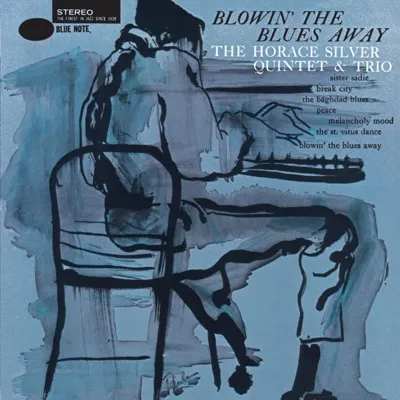
Together elsewhere
The other albums at least two of these players are on together.
The whole band 2 albums
| No. | Title | Leader | Year | Who | |
|---|---|---|---|---|---|
| BLP 4325 | Horace Silver Quintet · not on the site yet | Horace Silver Quintet | 1956 | Horace Silver, Gene Taylor, Louis Hayes | |
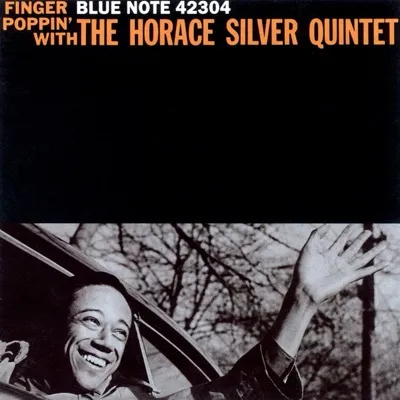 | BLP 4008 | Finger Poppin' | Horace Silver | 1959 | Horace Silver, Gene Taylor, Louis Hayes |
2 of them 8 albums
| No. | Title | Leader | Year | Who | |
|---|---|---|---|---|---|
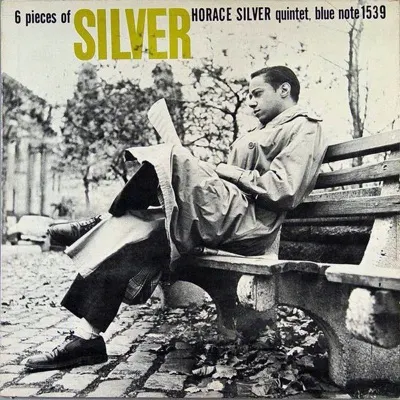 | BLP 1539 | 6 Pieces of Silver | Horace Silver | 1956 | Horace Silver, Louis Hayes |
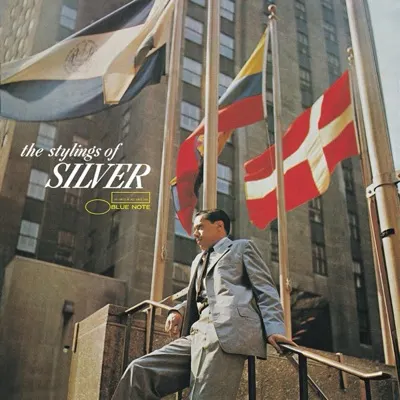 | BLP 1562 | The Stylings of Silver | Horace Silver | 1957 | Horace Silver, Louis Hayes |
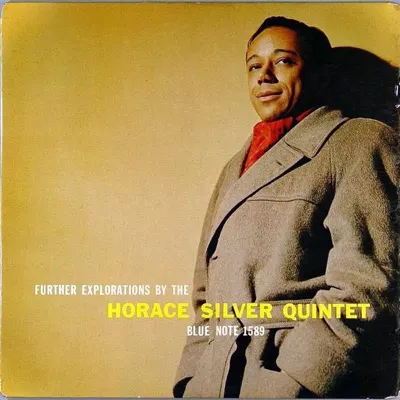 | BLP 1589 | Further Explorations | Horace Silver | 1958 | Horace Silver, Louis Hayes |
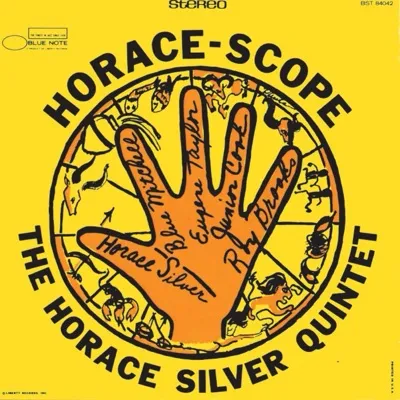 | BLP 4042 | Horace-Scope | Horace Silver | 1960 | Horace Silver, Gene Taylor |
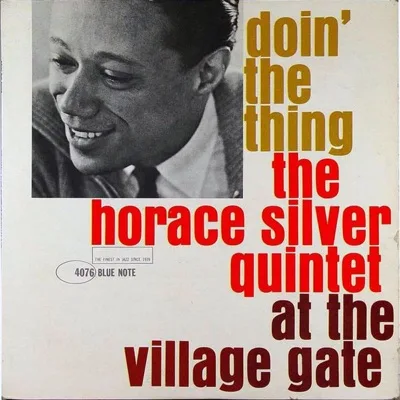 | BLP 4076 | Doin' The Thing | Horace Silver | 1961 | Horace Silver, Gene Taylor |
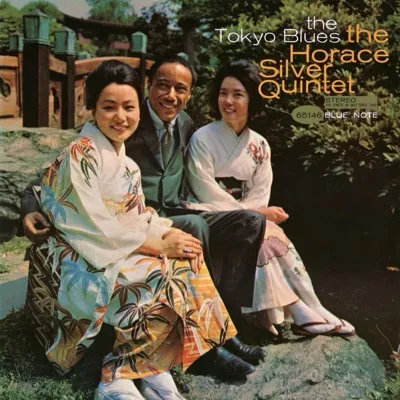 | BLP 4110 | The Tokyo Blues | The Horace Silver Quintet | 1962 | Horace Silver, Gene Taylor |
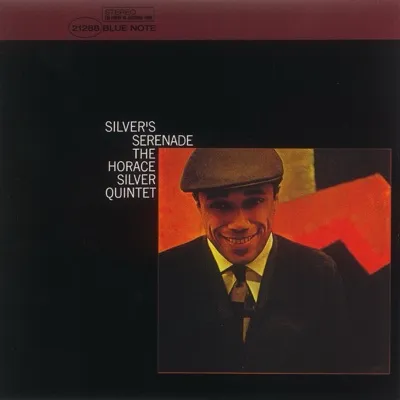 | BLP 4131 | Silver's Serenade | The Horace Silver Quintet | 1963 | Horace Silver, Gene Taylor |
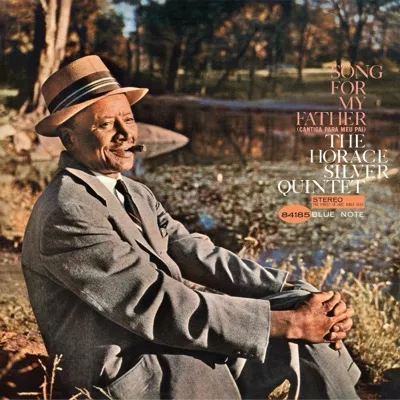 | BLP 4185 | Song For My Father | Horace Silver | 1964 | Horace Silver, Gene Taylor |