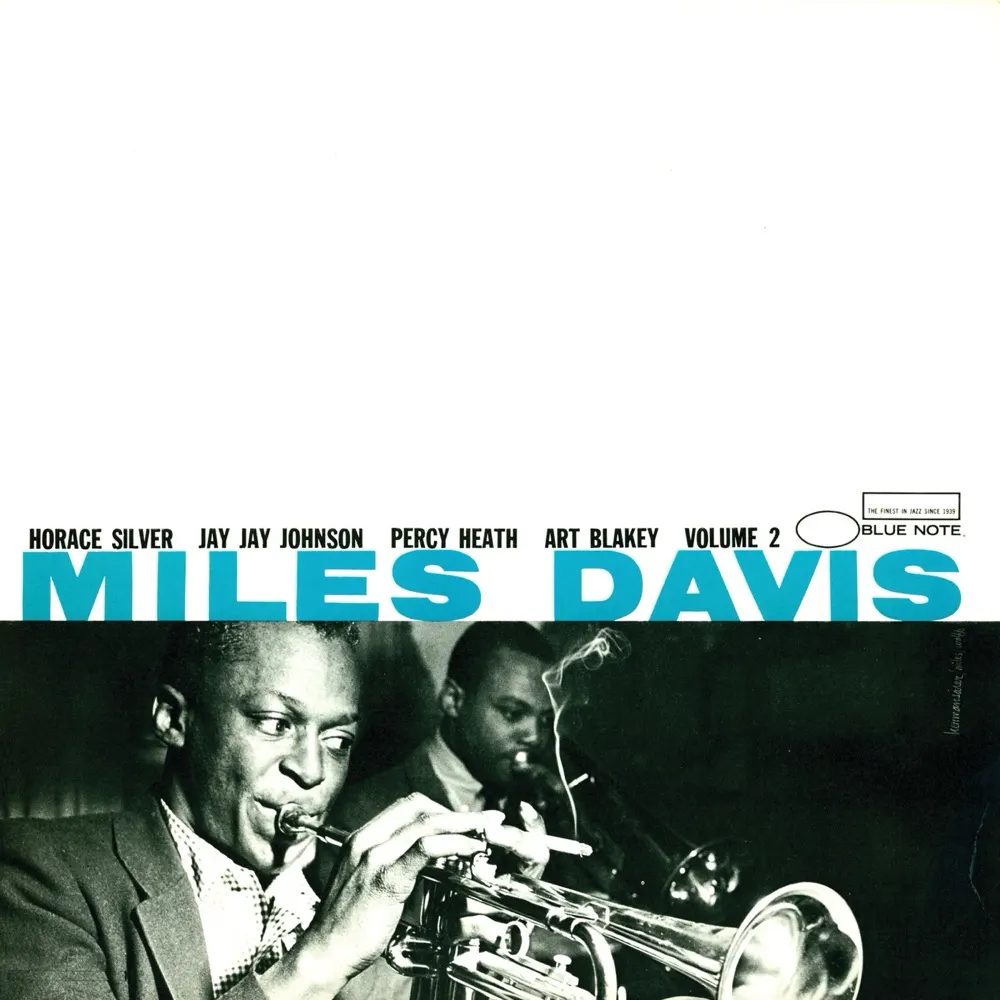
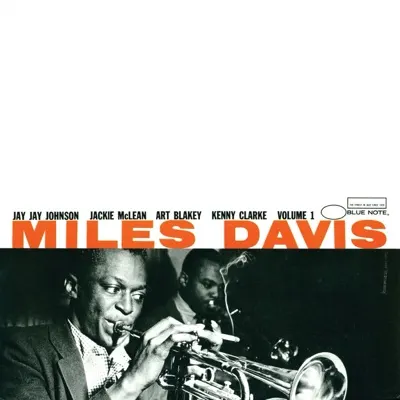
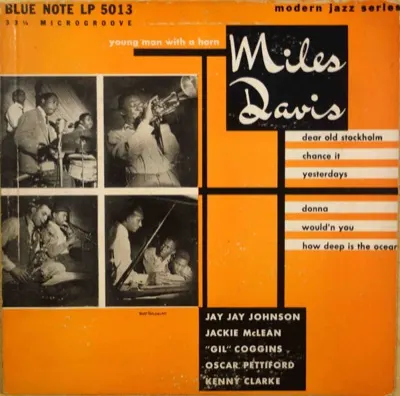
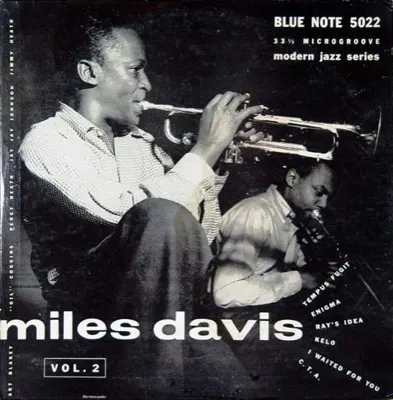
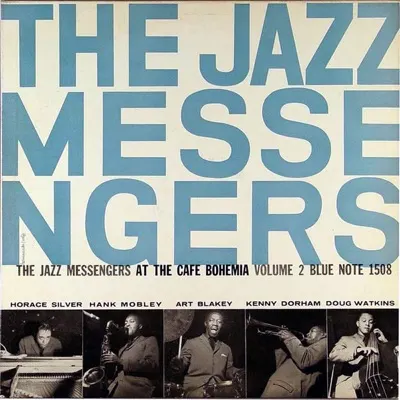
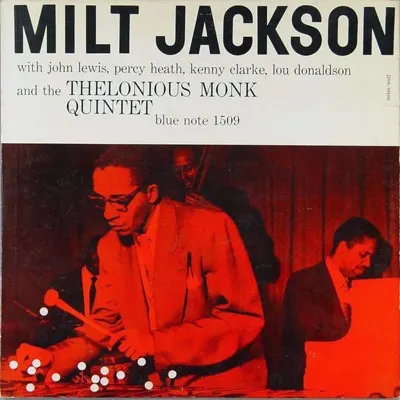
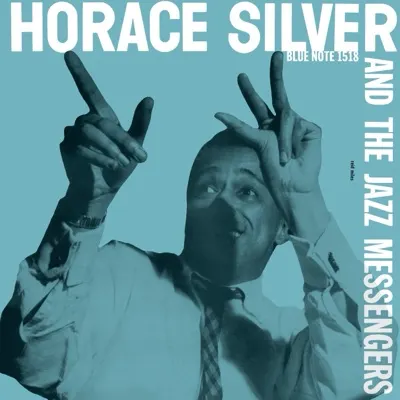
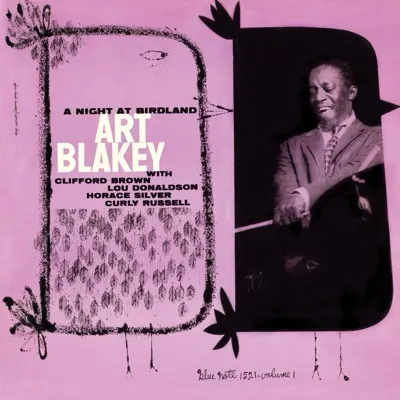
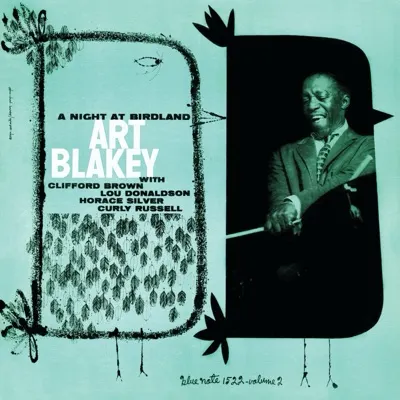
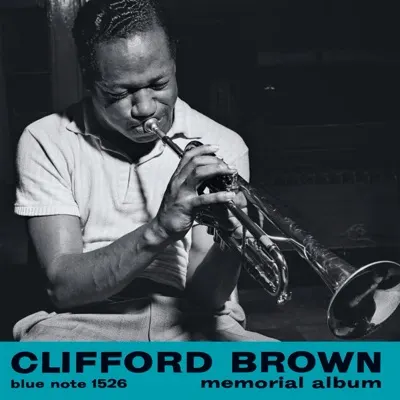
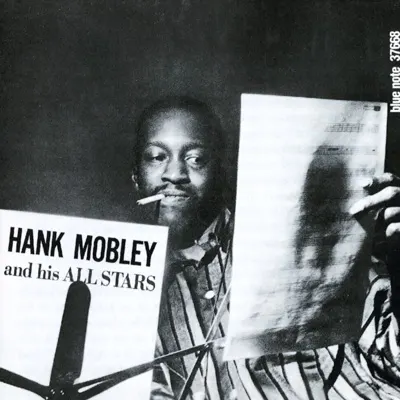
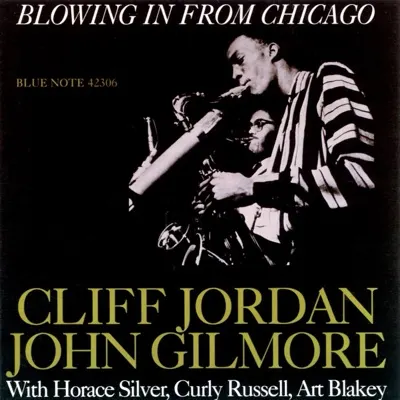
This is the second half of Blue Note's 12-inch Miles Davis set, released after Davis had topped the Down Beat readers' poll at the end of 1955. Leonard Feather's notes are a portrait of the man, not a guide to the tunes. He recalls the Esquire critics naming Davis the new star of 1947, a tie with Dizzy Gillespie in a Down Beat critics' poll, and the teenage Davis in East St. Louis, taken with Gillespie and Charlie Parker when the Billy Eckstine band came through town.
Feather also passes on a line from the critic Barry Ulanov:
Wasn't it Barry Ulanov who once wrote that Miles' tone reminded him of a man walking on eggshells?
Leonard Feather, original liner notes
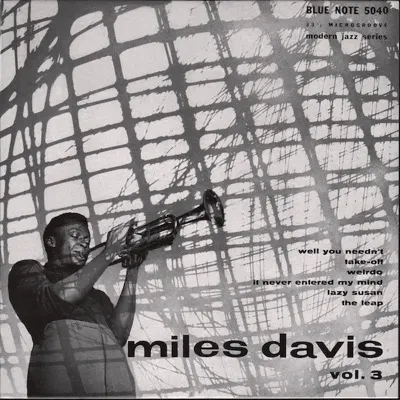
The record draws on three dates. Two are the sextet sessions at WOR Studios in New York that also fill Volume 1: May 9, 1952, with J.J. Johnson, Jackie McLean, Gil Coggins, Oscar Pettiford and Kenny Clarke, and April 20, 1953, with Johnson, Jimmy Heath, Coggins, Percy Heath and Art Blakey. The third is new: March 6, 1954, at Rudy Van Gelder's in Hackensack, Davis alone in front of Horace Silver, Percy Heath and Blakey. Two weeks earlier Silver and Blakey had been recorded live at Birdland for the label. That quartet date first came out on the 10-inch Miles Davis, Vol. 3, and all six of its tunes are here.
Side one opens with two Davis originals from that quartet, "Take-Off" and "Weirdo," then goes back to the sextets for Gillespie's "Woody'n You" (listed as "Would'n You"), an alternate of "Ray's Idea," and McLean's "Donna." "I Waited for You," from the 1953 date, is a quartet track: the horns sit out and Davis plays with Coggins, Percy Heath and Blakey. Side two is mostly the 1954 band: Thelonious Monk's "Well You Needn't," Davis's "The Leap" and "Lazy Susan," and, to close, Rodgers and Hart's ballad "It Never Entered My Mind." An alternate take of "Tempus Fugit" sits among them.
Feather's case for Davis is about the player, not the material.
Miles uses the same twelve notes every other living jazzman uses.
Leonard Feather, original liner notes
What makes the difference, he argues, is mood and thought, caught in the moment of playing.
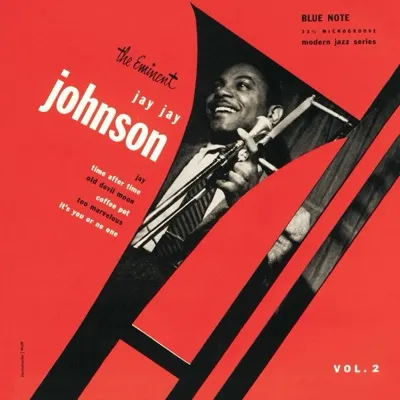
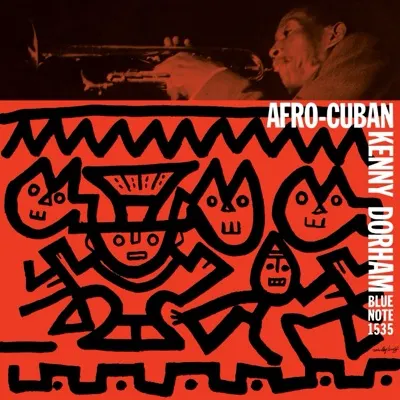
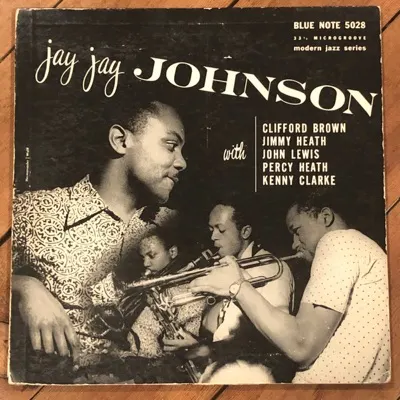
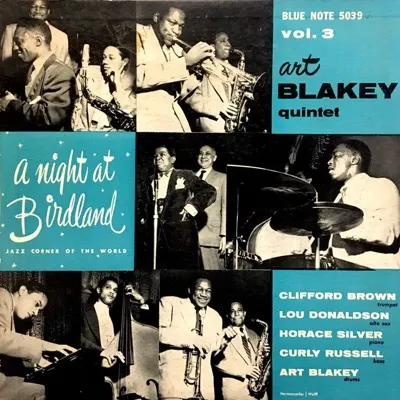
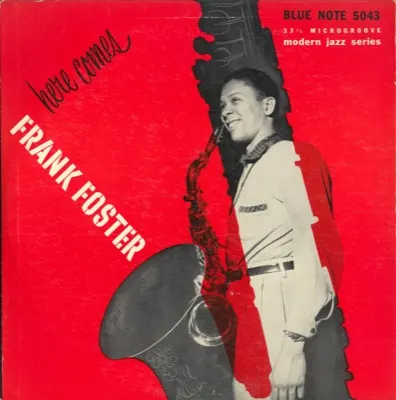
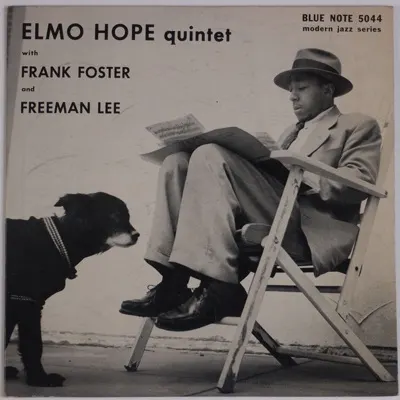
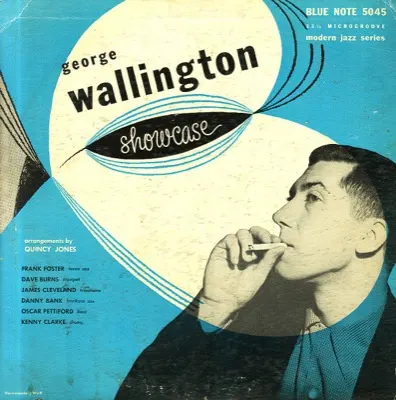
Wikipedia credits the sleeves for both volumes to John Hermansader and Reid Miles, with photography by Francis Wolff.
The release date is muddled: the Jazz Discography Project gives 1956 and Wikipedia's article on the two volumes says February 1956, but our record page carries "early October 1953," the date of the old 10-inch Vol. 2. Later CD editions regrouped all three sessions in order, with more alternate takes.