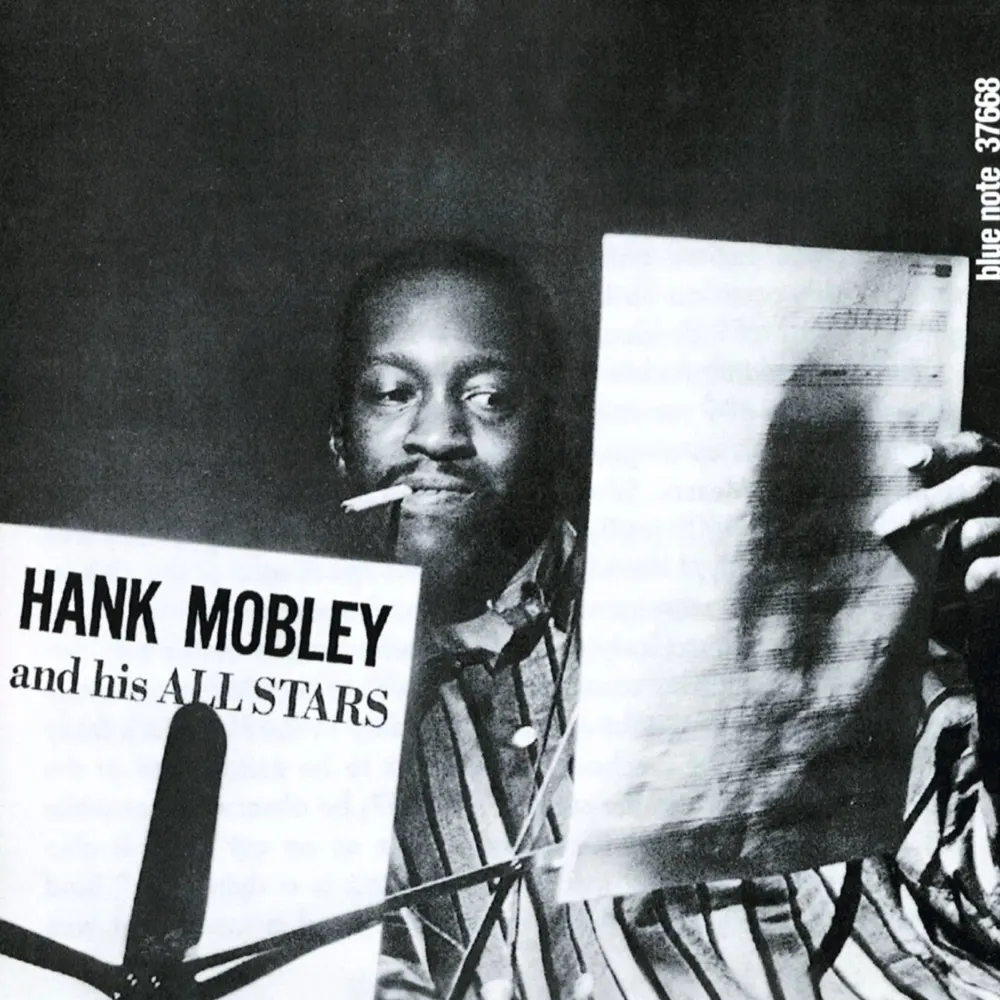
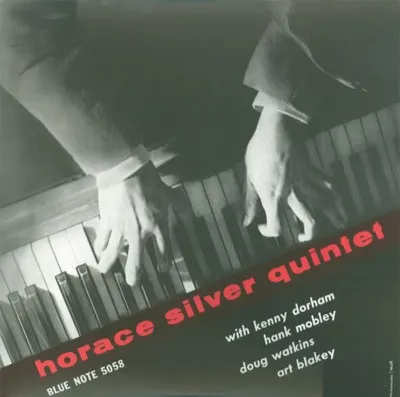
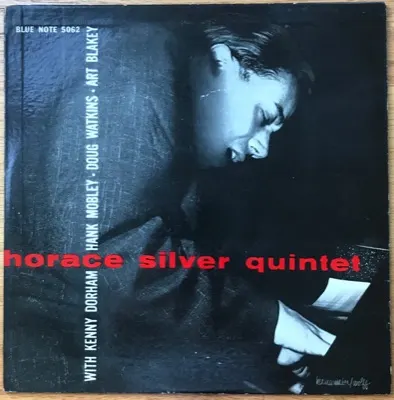
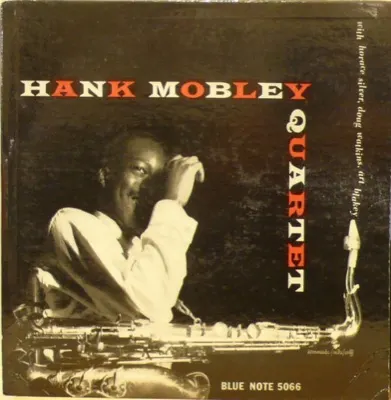
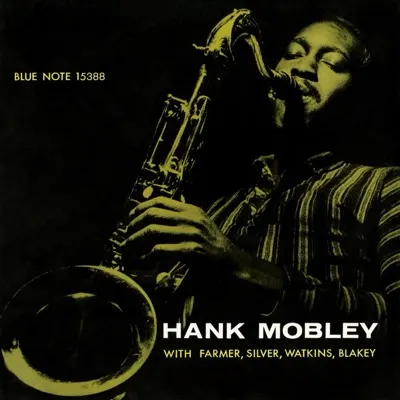
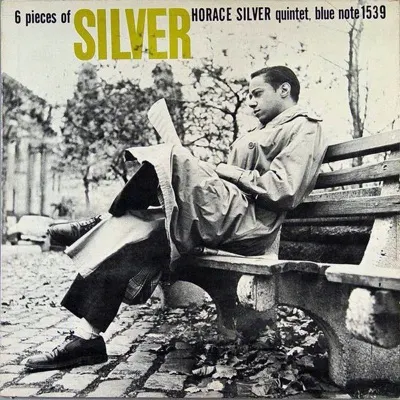
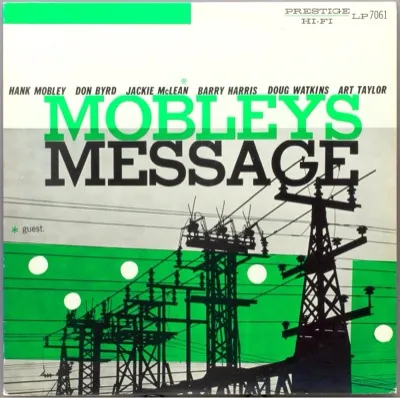
By early 1957 Hank Mobley was recording for Blue Note very often. Leonard Feather, in the original notes, points to two recent dates: Mobley's own sextet, which became BLP 1540, and Horace Silver's record, BLP 1539. This was the next one, and the leader brought five tunes of his own.
Feather framed the record as a reply. Douglas Watt had written in the New York Daily News that the experts had taken over jazz and that the music had lost its spontaneity. Feather heard this session as the opposite: musicians blowing on chord changes at a steady tempo, the way most lasting jazz had been made. He ended with a plan.
I'm going to ask Alfred Lion to send a copy of this LP to Mr. Watt.
Leonard Feather, original liner notes
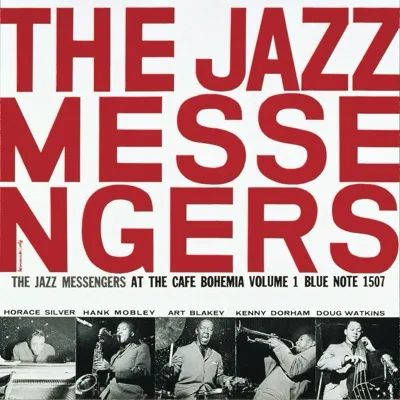
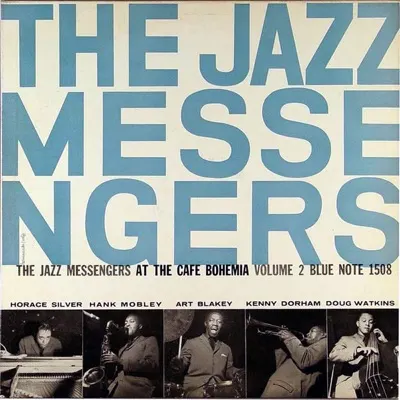
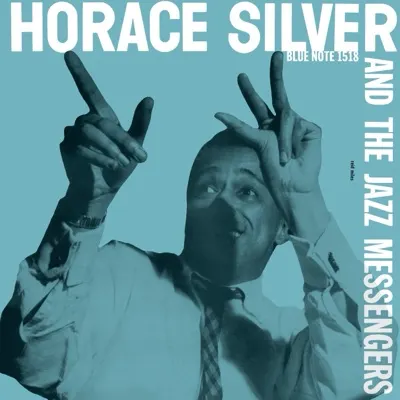
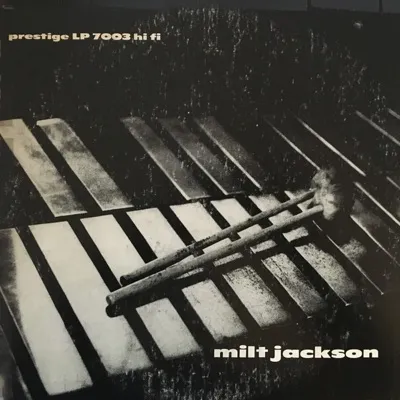
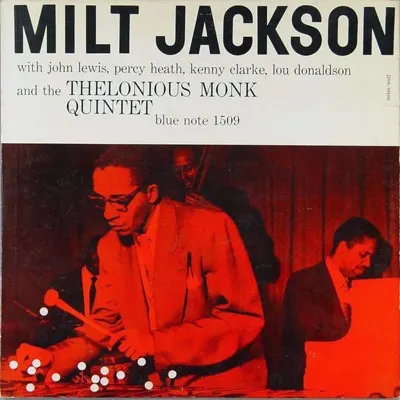
The date was Sunday, January 13, 1957, at Van Gelder's in Hackensack, with Alfred Lion producing. The rhythm section was Silver on piano, Doug Watkins on bass and Art Blakey on drums. With Mobley, that is four of the men who had been the Jazz Messengers at the Cafe Bohemia in November 1955. The guest was Milt Jackson on vibes, a Blue Note name since the late 1940s. Feather thought Jackson rarely got to swing this freely in those years. Five tunes were cut, and all five made the record.
Side one opens with "Reunion."
Reunion has a downward line a la Lover, played in sonorous tenor-and-vibes unison.
Leonard Feather, original liner notes
"Ultramarine," the long one, is in a minor key at medium tempo, and Feather notes the odd repeated major chord it ends on. Side two begins with "Don't Walk": Blakey plays the introduction, Mobley states the theme alone, and Blakey's Charleston beats drive it along. "Lower Stratosphere" is a blues, with Silver at his funkiest and an agile solo from Watkins. The closer, "Mobley's Musings," is a ballad, and Feather points out how the flatted fifth sits easily inside its pretty melody.
The sleeve was designed by Reid Miles, with photography by Francis Wolff. "Reunion" and "Lower Stratosphere" also went out on a 45.
Not every critic was won over. Ralph J. Gleason gave it 2.5 stars in Down Beat and found Mobley's tone promising but his solos unfocused.
As it is, he lacks definition as a soloist.
Ralph J. Gleason, Down Beat, June 13, 1957
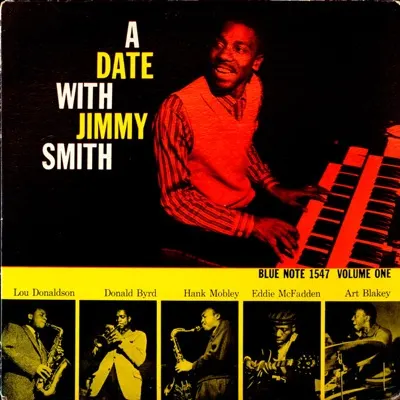
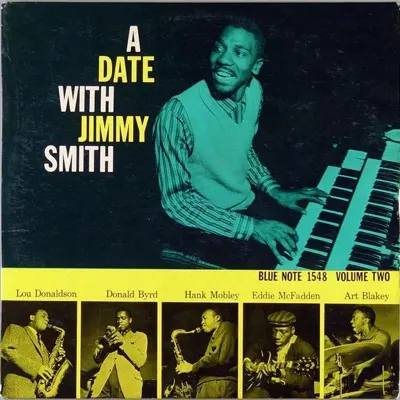
The record came out in mid-April 1957. Four weeks after this date, Mobley and Blakey were back at Van Gelder's on a Jimmy Smith session.