Lou Donaldson was born in 1926 in Badin, North Carolina. He learned the saxophone in the Navy, and on a pass from Great Lakes he heard Charlie Parker and Dizzy Gillespie in Chicago. Back at college in Greensboro, he sat in when Gillespie's band came to play a dance, and Gillespie told him to try New York. He went in 1950, and soon met Horace Silver at a rehearsal studio. Leonard Feather, in the original notes, worries that the rush to crown a new Bird after Parker's death had passed Donaldson by.
here is one alto man who clearly does not have to rely on the Bird legend to make a substantial contribution of his own.
Leonard Feather, original liner notes
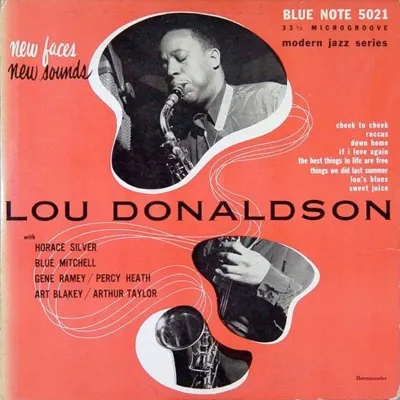
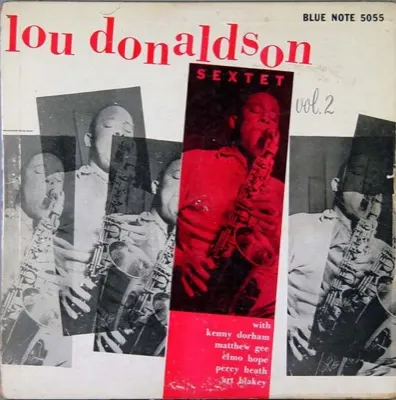
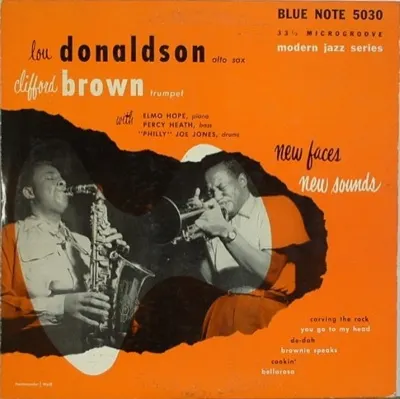
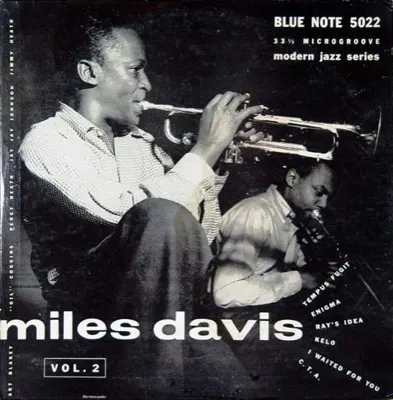
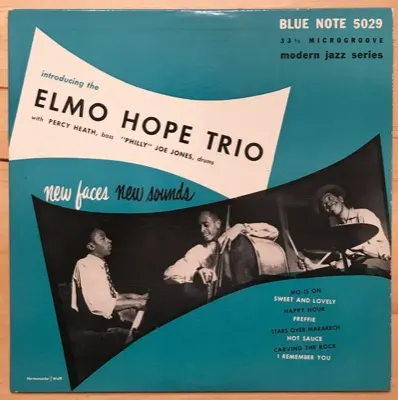
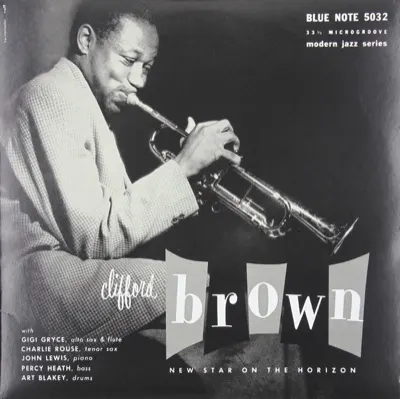
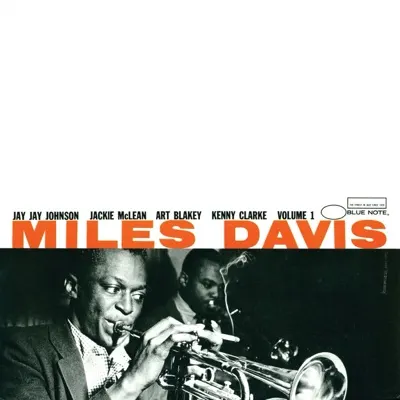
The record gathers three dates. On Friday, June 20, 1952, at WOR in New York, Donaldson led a quartet with Silver, Gene Ramey and Art Taylor. On November 19 he was back at WOR with Blue Mitchell on trumpet, Silver, Percy Heath and Art Blakey. On August 22, 1954, at Van Gelder's in Hackensack, he had a sextet: Kenny Dorham, Matthew Gee on trombone, Elmo Hope on piano, Heath and Blakey. The 1952 tunes came out first on 78s and a 10-inch LP shared with Clifford Brown; the 1954 tunes on a 10-inch of their own. This 12-inch put them together in 1957. Feather writes of twelve numbers from sessions a few months apart; the record has ten, from dates two years apart. Wikipedia puts Ramey and Taylor on the November 1952 date, where the session listing has Heath and Blakey.
Side one is the 1952 music. "If I Love Again" sets the tone, with Mitchell beside Donaldson. "Down Home" is his own blues. On "The Best Things in Life Are Free," Feather's favorite moment is Donaldson's second chorus. "Lou's Blues" is built on a riff and opens on a rumba beat. Feather places Silver's "Sweet Juice" with the sextet; the session listing has it from November 1952, a quartet without Mitchell.
Side two mixes the years. Billboard picked out "The Stroller." Silver's "Roccus" has what Feather calls an Oriental flavor, with Silver playing a second line behind the alto. On "Caracas" the whole sextet solos, and Feather liked the trombone:
Note particularly the warm quality of Gee’s work here, almost like a modernized Lawrence Brown.
Leonard Feather, original liner notes
Hope's "Moe's Bluff" closes it.
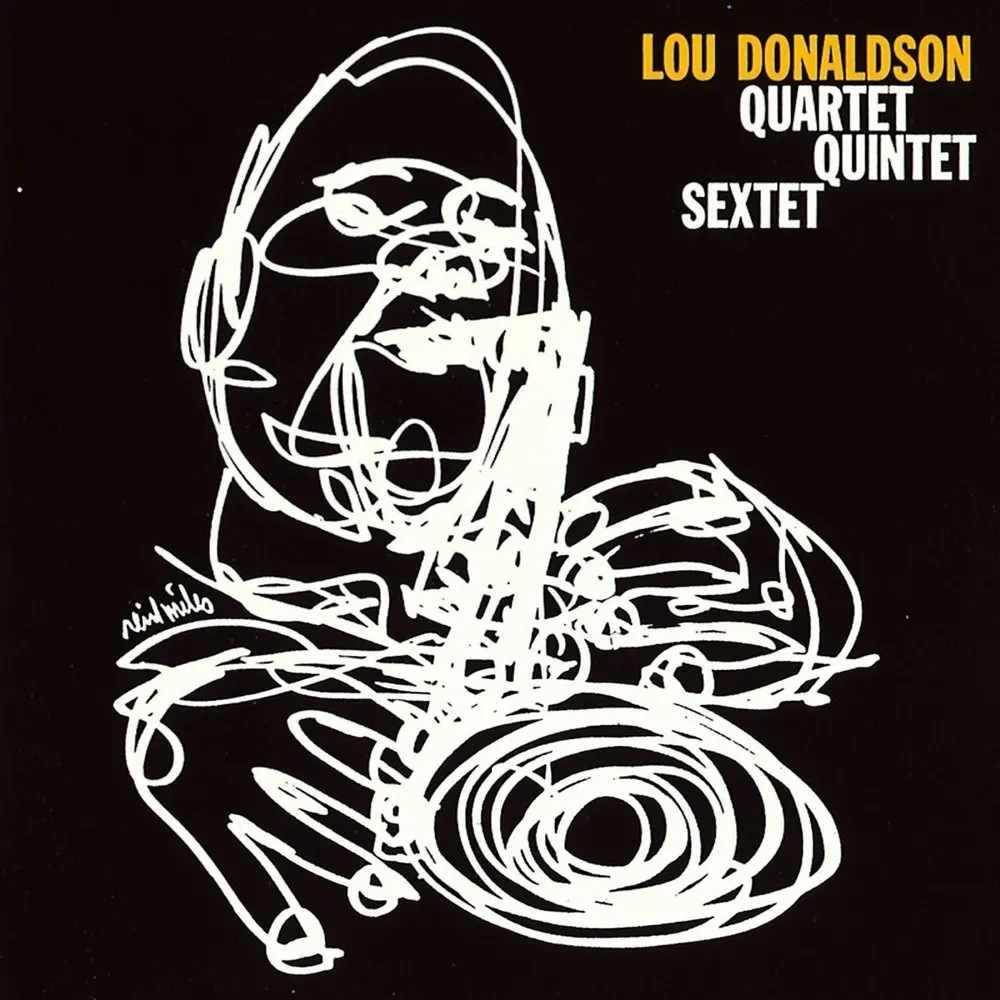
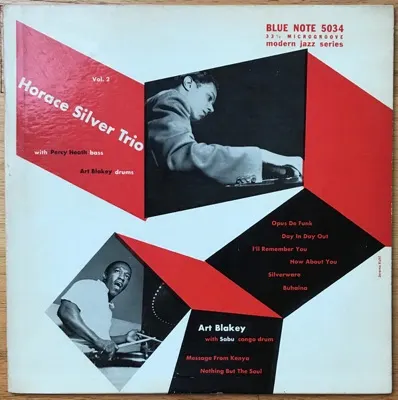
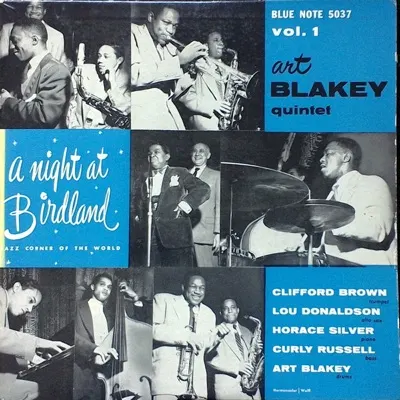
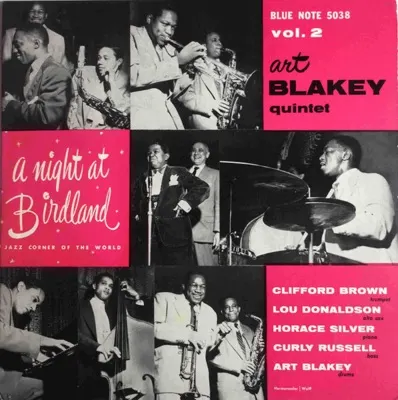
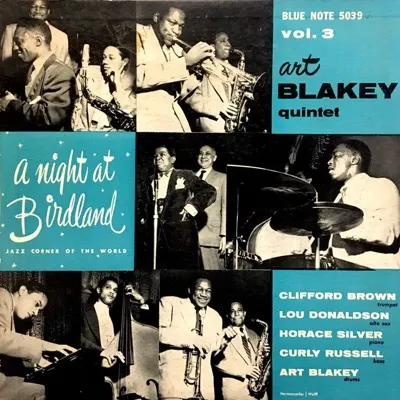
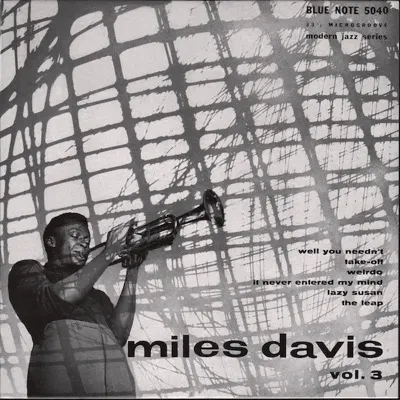
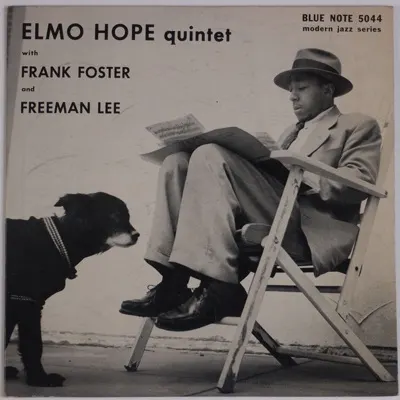
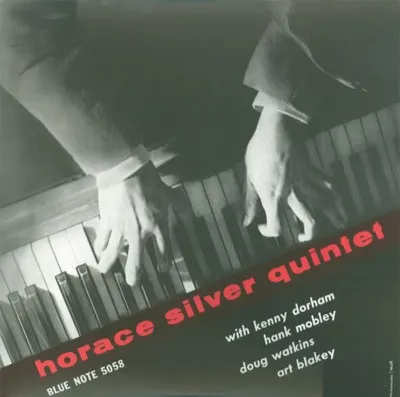
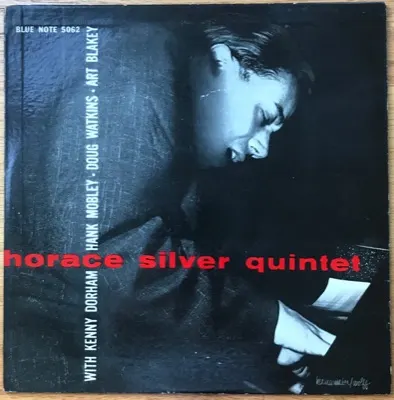
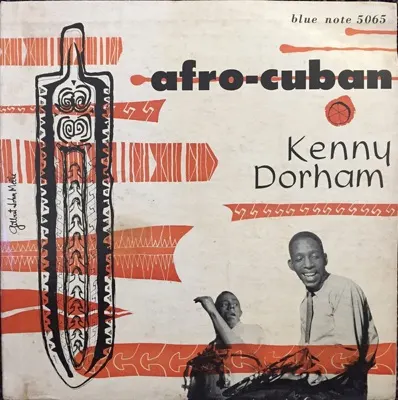
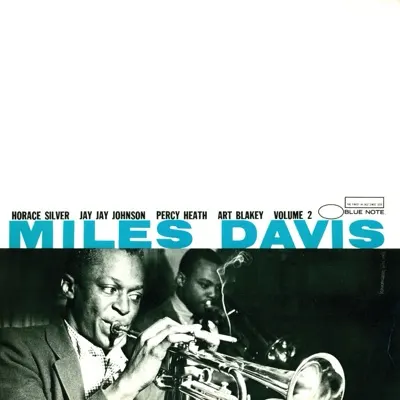
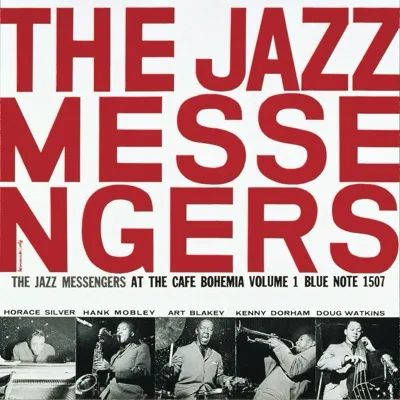
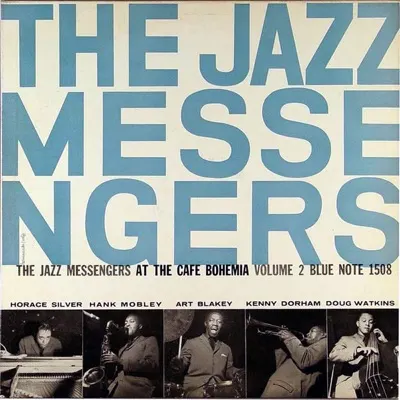
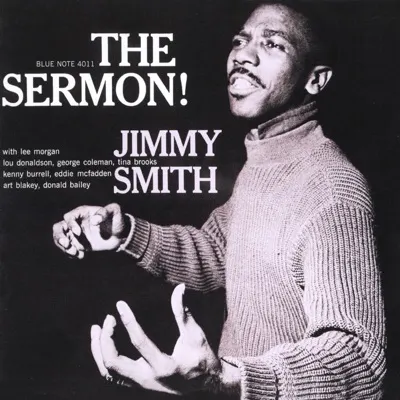
Wikipedia credits the sleeve to Reid Miles, with photography by Francis Wolff.
Stephen Thomas Erlewine, at AllMusic, wrote that Donaldson "doesn't play anything out of the ordinary, but he plays it very, very well." Silver kept "Roccus": it opened Lee Morgan's first Blue Note record in 1956.