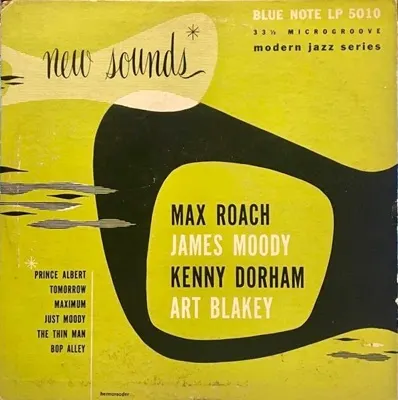
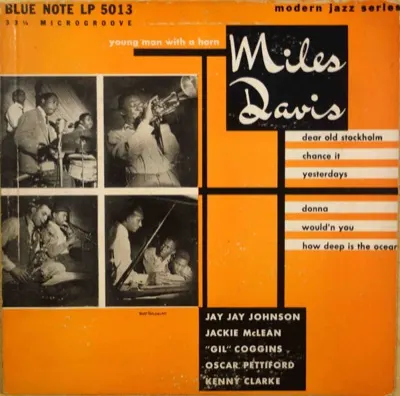
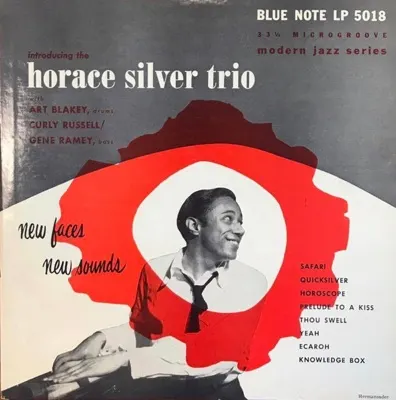
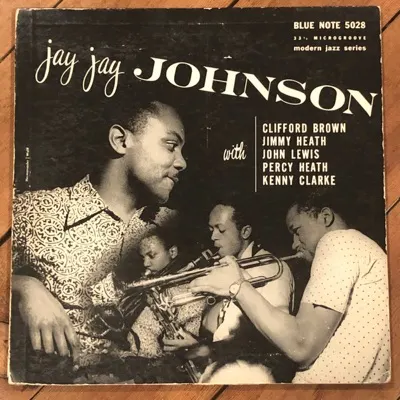
By 1955 Kenny Dorham had played in almost every band that mattered. He toured with Dizzy Gillespie, Billy Eckstine and Lionel Hampton, then spent about two years in Charlie Parker's quintet. Leonard Feather, in the original notes, makes him the man every band called when it needed a trumpet. Feather says it was his work on Horace Silver's Blue Note dates that led to a contract, and to this, his first Blue Note date as a leader.
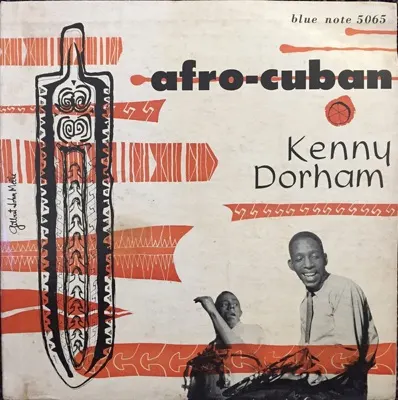
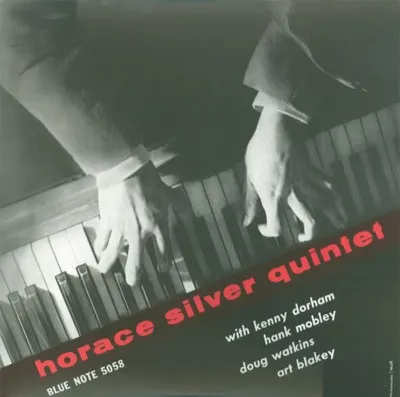
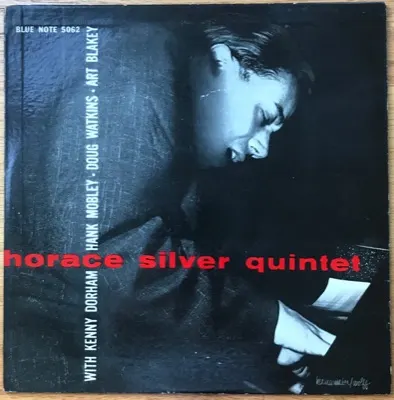
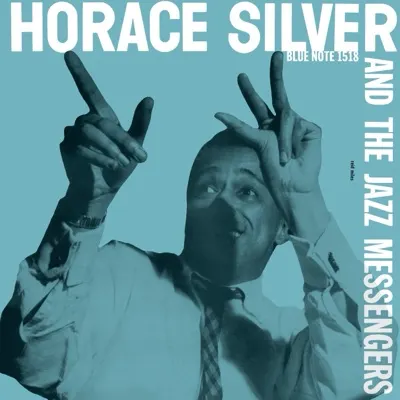
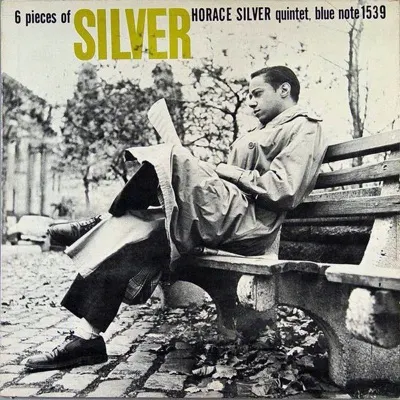
The two sessions came two months apart, both at Van Gelder's in Hackensack. On January 30, 1955, Dorham led a sextet with Hank Mobley, Cecil Payne, Silver, Percy Heath and Art Blakey. A week later, on February 6, Silver brought most of that band back, with Doug Watkins on bass, and cut the tunes that went to Horace Silver and the Jazz Messengers (BLP 1518). On March 29 Dorham came back with a bigger band: J.J. Johnson, Oscar Pettiford on bass, Carlos "Patato" Valdés on conga and Richie Goldberg on cowbell. Feather calls it an octet, though the session listing has nine players. Feather writes that Gillespie told Dorham about Patato. The March tracks came out first, on a 10-inch LP in October 1955.
Side one is the Latin side. On "Afrodisia," a new Dorham tune, Feather hears Gillespie in the theme and in the approach.
The "Patato" is really cooking on this one.
Leonard Feather, original liner notes
"Lotus Flower" is slow and pretty, with an introduction by Silver and a short, sad solo from Johnson. "Basheer's Dream" was written for Dorham by Gigi Gryce, once a reed player with Hampton. Dorham, Mobley and Johnson solo while Valdés and Blakey work as a percussion team. Dorham told Feather what he was after:
I tried to write everything so that the rhythm would be useful throughout and would never get in the way.
Kenny Dorham, in Leonard Feather's original liner notes
Side two is the January sextet, held back until this LP. "K.D.'s Motion" is a medium blues: Dorham takes four choruses, then Payne, Mobley and Silver. On "The Villa," a fast tune Feather thought could be a pop song, Dorham and Blakey trade fours.
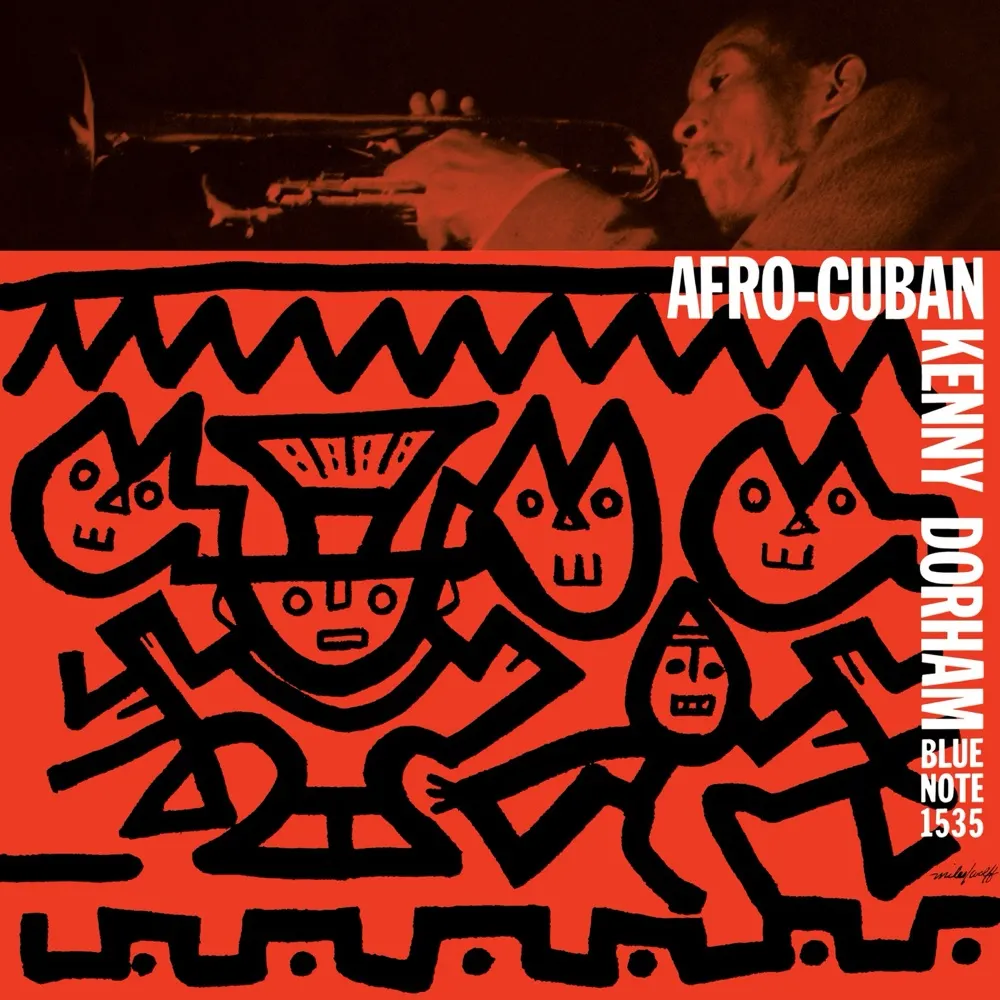
When Blue Note moved the music to the 12-inch 1500 series in May 1957, the record got a new cover, designed by Reid Miles around a Francis Wolff photograph.
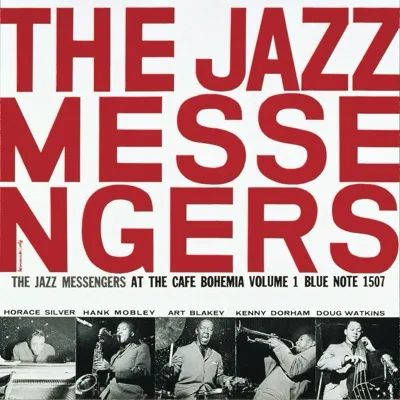
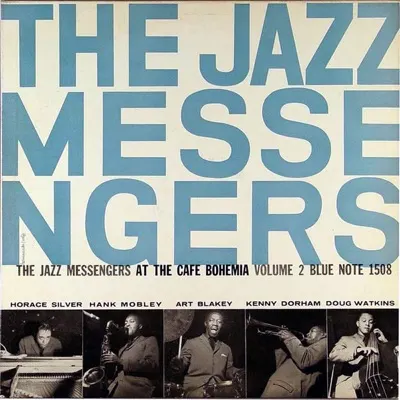
Dorham's next stop on the label was Cafe Bohemia with the Jazz Messengers that November. In 1956 he was back on Blue Note with his own band, the Jazz Prophets.