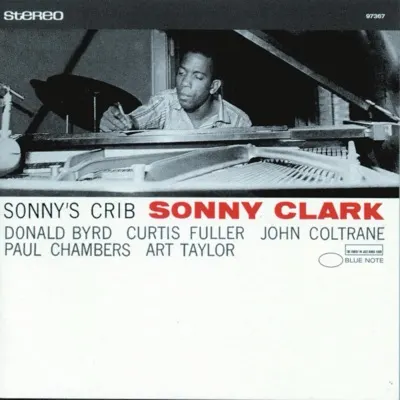
Sonny Clark wanted it on the record that he was not from Pittsburgh. He told Leonard Feather, in the original notes, that he was born in Herminie, a coal town about 16 miles away. Around 20 he went west with his older brother, also a pianist, meaning to stay a couple of months. He stayed years: with Wardell Gray, with Oscar Pettiford in San Francisco, two and a half years with Buddy DeFranco, then the Lighthouse All-Stars in Hermosa Beach. In February 1957 he joined Dinah Washington as her accompanist, and then settled in New York, where he was mostly making records.
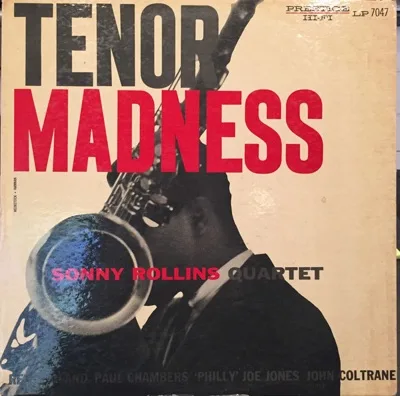
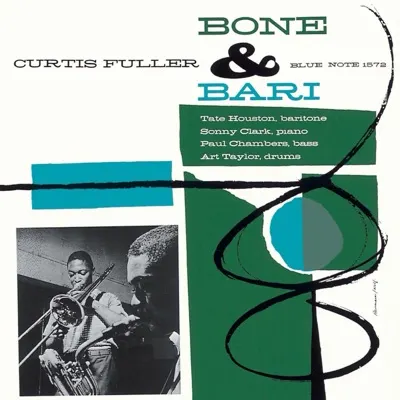
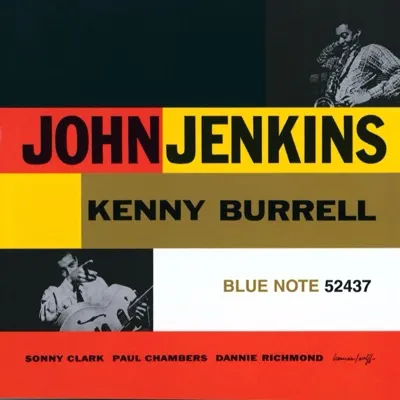
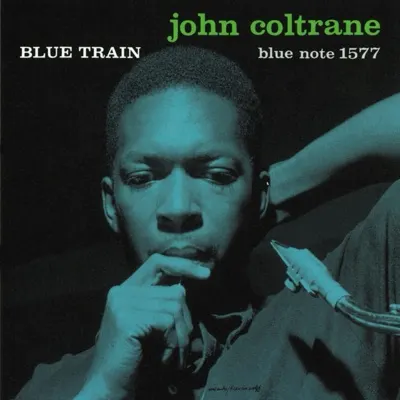
Blue Note had already used him on several of them. Feather calls this Clark's first trio session. It was Sunday, October 13, 1957, at Rudy Van Gelder's in Hackensack, with Alfred Lion producing. The rhythm section was Paul Chambers on bass and Philly Joe Jones on drums, the rhythm section from Miles Davis's quintet. Nine takes were made that day, and six went on the record.
Side one starts with the oldest bebop there is.
Be-Bop, the early Dizzy Gillespie composition that kicks off the first side, is a tour de funk.
Leonard Feather, original liner notes
Clark plays the original introduction, changes the opening phrase of the melody, and runs on for chorus after chorus; Chambers takes a bowed chorus and Jones a drum solo. "I Didn't Know What Time It Was," the Rodgers and Hart song, is a tune Clark had always wanted to record, and Chambers shares the solo space. "Two Bass Hit," which Gillespie's big band cut in 1947, is mostly there for Jones, who trades fours with the piano.
Side two opens with Tadd Dameron's "Tadd's Delight," with a plucked solo from Chambers and Jones trading eights with Clark. On "Softly, As in a Morning Sunrise," Jones's brushes double the time for 16 bars. Feather points listeners to Sonny Rollins's version on BLP 1581, taped at the Village Vanguard three weeks after this date. The record ends with Clark alone on "I'll Remember April," two quiet choruses, no doubling up.
"Everybody usually plays this tune so fast," Sonny complains, "but it's pretty – it's essentially a ballad."
Leonard Feather, original liner notes
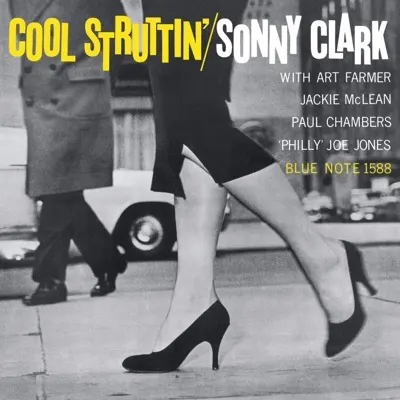
The sleeve is Reid Miles's design with a Francis Wolff photograph. The record came out in May 1958. Alternate takes of three tunes waited for a Japanese LP and later the CD. Ten days after this date, Clark and Chambers were back at Van Gelder's behind Johnny Griffin, and in January the same trio was the core of Cool Struttin'.