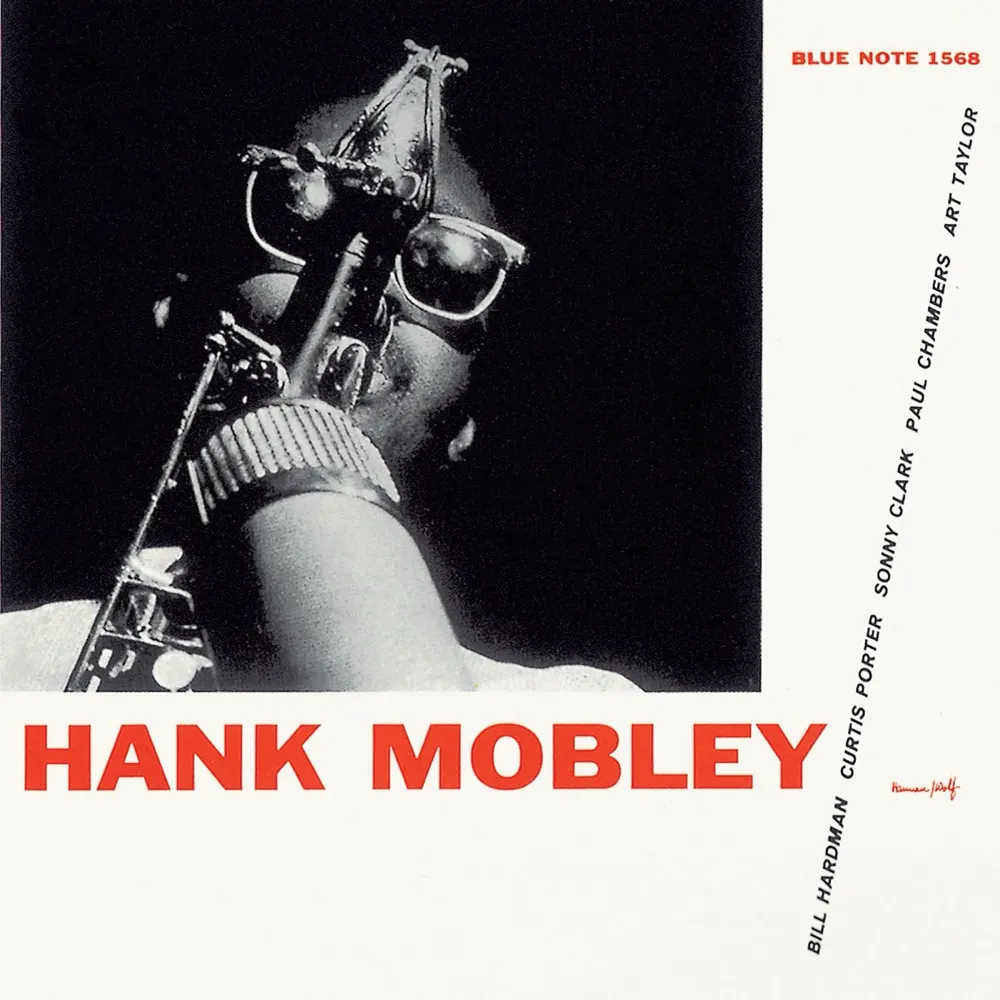
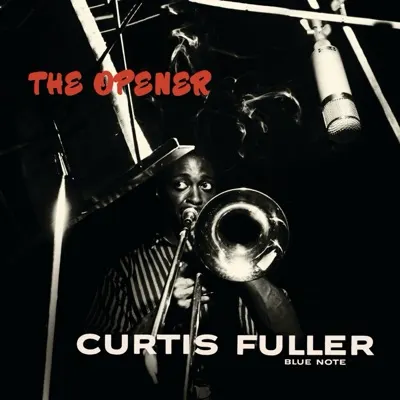
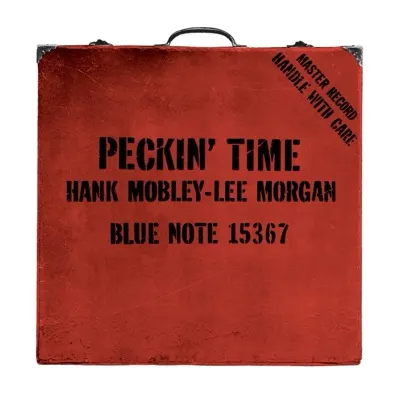
In the summer of 1957 Hank Mobley was busy at Blue Note. Robert Levin, in the original notes, has him playing in Max Roach's quintet at the time, and counts this as his fourth Blue Note album as a leader. The week before, he had been the tenor on Curtis Fuller's The Opener.
The date was Sunday, June 23, 1957, at Van Gelder's in Hackensack, with Alfred Lion producing. Mobley brought a second saxophone and a trumpet. Bill Hardman, from Cleveland, had played with Charles Mingus and with Art Blakey's Jazz Messengers. Curtis Porter, born in Philadelphia, had come to New York around Christmas 1956 and was playing alto with Mingus at Birdland. He also painted. On Mingus's records he went by another name, Shafi Hadi. Sonny Clark was on piano, a month before his own first Blue Note date, with Paul Chambers on bass and Art Taylor on drums. Levin has Porter on alto for the first two tunes and tenor for the last three. Five tunes made the record; an alternate of the opener stayed in the vault.
Side one opens with Porter's "Mighty Moe and Joe," named for the bassist Ollie Mohammed and the tenor player Joe Alexander.
a swinger which Curtis says was inspired by Dizzy Gillespie's recording of Tin Tin Daeo.
Robert Levin, original liner notes
Porter solos first, then Hardman, Mobley and Clark, and Chambers has a word with the bow. Rodgers and Hart's "Falling in Love with Love" goes at an easy middle tempo, with Hardman muted near the melody. Milt Jackson's "Bags' Groove" closes the side.
Side two is the long side, two tunes over eight minutes each. Mobley's "Double Exposure" puts the two tenors side by side, and Levin hears in it the old tenor duels of Wardell Gray and Dexter Gordon. Mobley and Porter trade chases near the end, and Taylor gets the last word. Porter's "News" closes the record.
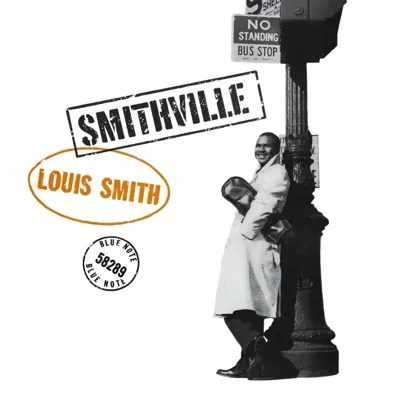
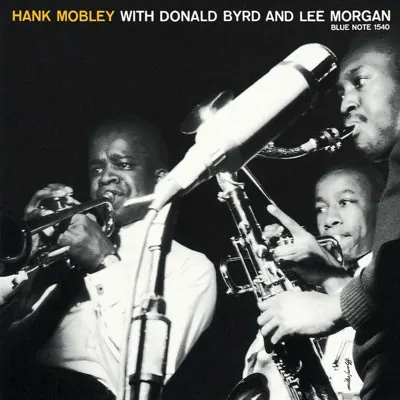
The sleeve was designed by Tom Hannan, with a photograph by Francis Wolff.
The record did not come out until mid June 1958, a year after the session, and it sold poorly. John A. Tynan, in Down Beat, gave it three and a half stars and heard Mobley's tenor as "big, bustling, hard, and virile." Wikipedia says United Artists did not reissue it in the usual way in 1971, and that first pressings are among the hardest Blue Notes to find.