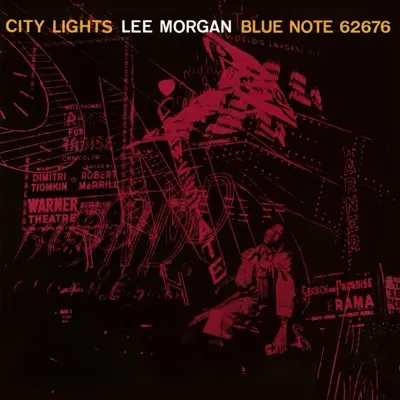
Lee Morgan was not yet 20, and this was already his fifth Blue Note date as a leader. He had grown up in Philadelphia, led his own groups there from the age of 15, and sat in at weekly sessions alongside Miles Davis and Clifford Brown. After a few weeks with Art Blakey's Jazz Messengers, he joined Dizzy Gillespie's big band. Robert Levin, in the original notes, gives Gillespie most of the credit for how fast he grew.
Dizzy is still the boss, the master, the teacher, and Lee, perhaps his star pupil.
Robert Levin, original liner notes
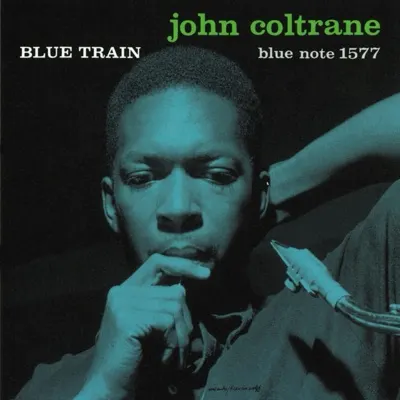
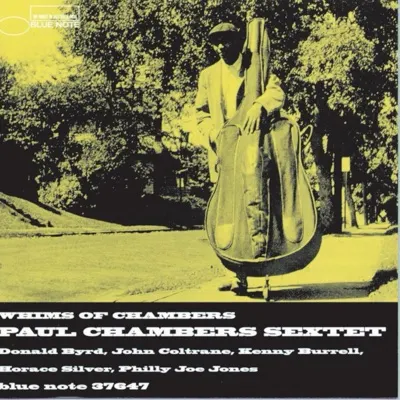
Two weeks earlier Morgan had played on John Coltrane's Blue Train. He came back to Van Gelder's in Hackensack on Sunday, September 29, 1957, with Alfred Lion producing, and brought two of that day's players with him: Paul Chambers and Philly Joe Jones, Miles Davis's rhythm section.
Philly Joe is a strikingly intuitive and inventive drummer who combines power with good taste.
Robert Levin, original liner notes
Pepper Adams, from the Detroit scene and a New Star winner in the 1957 Down Beat critics' poll, played baritone; it was his first Blue Note date. Bobby Timmons, another Philadelphian who had worked with Morgan at home, played piano. Six takes were made, and five tunes made the record. Levin notes that Morgan's last three records had leaned on Benny Golson's tunes and arrangements. Wikipedia adds that this was the first with Morgan's own tunes and none by Golson.
Side one opens with "A Night in Tunisia," Gillespie's tune and Morgan's feature in the Gillespie band. Levin calls Morgan's solo the best he had put on record; Timmons follows, and Jones drives the band. Next is Morgan's "Heavy Dipper," which Levin calls "Happy Dipper" in the notes; the track listing and the Jazz Discography Project have "Heavy." Despite the name, Levin hears a light tune with a pretty unison theme.
On side two, Cole Porter's "Just One of Those Things" goes by fast, with Adams first, then Morgan and Timmons, and a run of exchanges with the drums. "Lover Man" is slow and mournful, and its ending nods to the Charlie Parker and Howard McGhee record. "New-Ma," Morgan's minor-key tune, closes the record.
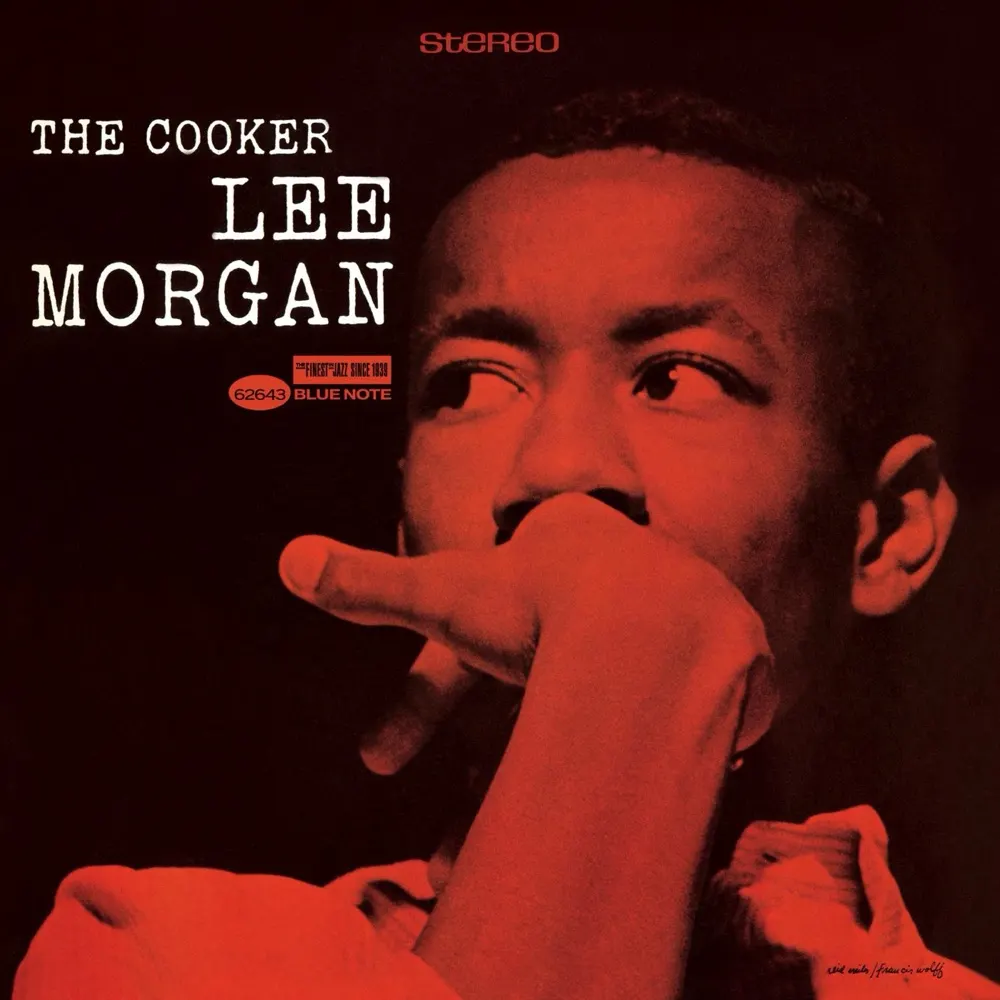
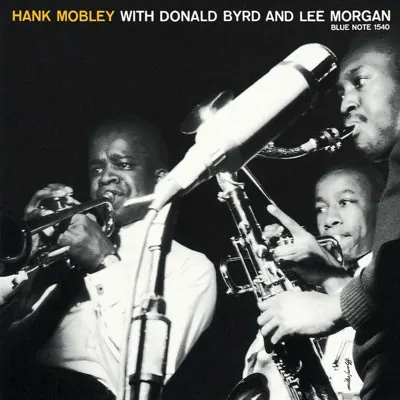
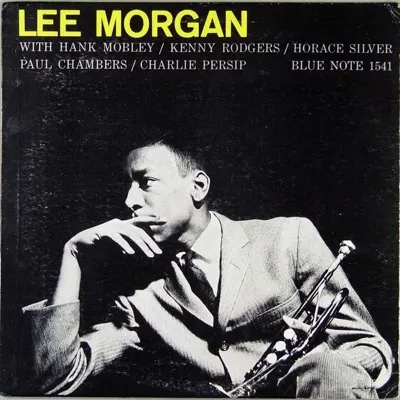
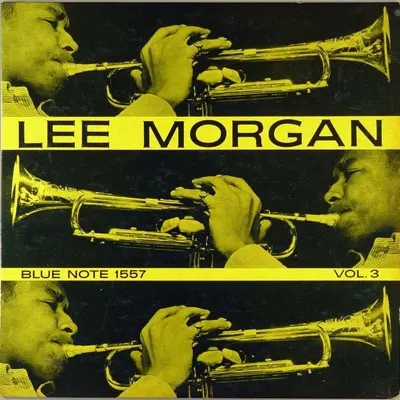
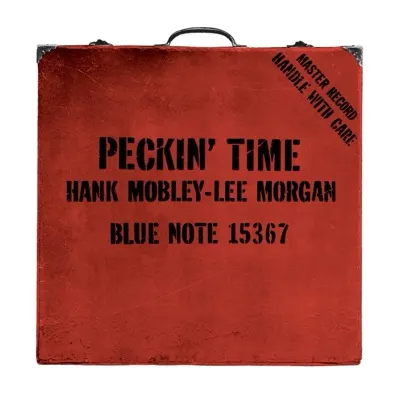
The sleeve is Reid Miles's design, with photography by Francis Wolff. "A Night in Tunisia" also went out on a 45. The record came out in January 1958, which is why Wikipedia gives that year while the Jazz Discography Project files it under 1957. Scott Yanow, at AllMusic, later wrote that "Morgan plays remarkably well for his age."
The one take left over, an alternate "Just One of Those Things," surfaced years later on Mosaic. Seven weeks after this date, Morgan was back in Hackensack with a quartet.