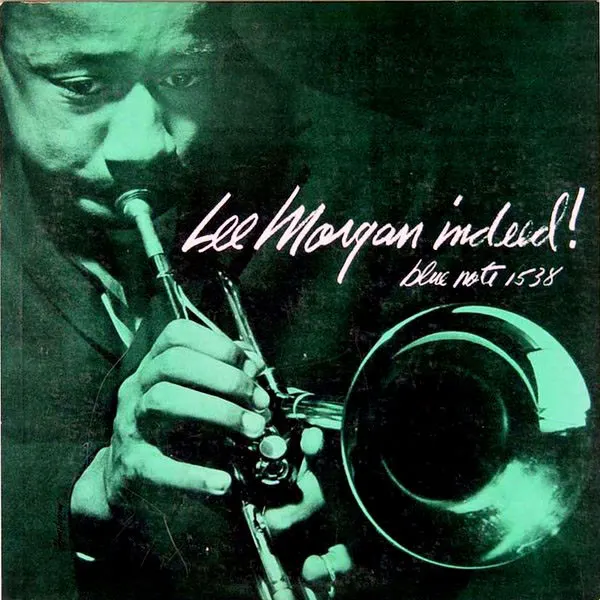
Leonard Feather opens the original notes with a fact and lets it sit.
Lee Morgan is eighteen.
Leonard Feather, original liner notes
Morgan was born in Philadelphia in July 1938, the youngest of four. He studied trumpet at Mastbaum Tech and from 15 led his own combo on weekends, often with the bassist Spanky DeBrest. He sat in with Miles Davis and Clifford Brown at Philadelphia workshops, and helped out Art Blakey's Jazz Messengers for two weeks in the summer of 1956. Then Dizzy Gillespie needed a trumpet player for his big band, and Morgan wanted the experience. By the time of this record he was the band's featured soloist. Feather is careful to add that he was no mere prodigy.
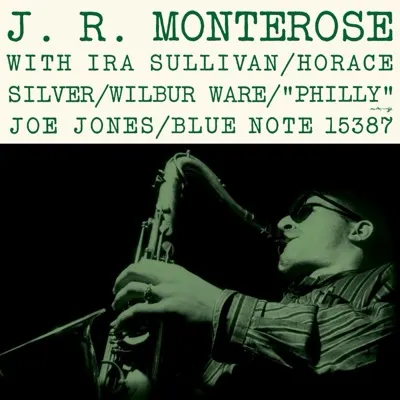
The date was Sunday, November 4, 1956, at Van Gelder's in Hackensack, with Alfred Lion producing. It was Morgan's first as a leader. He brought a friend from Philadelphia, Clarence Sharpe, on alto, a player Feather says had worked mostly in rhythm and blues bands. Horace Silver, Wilbur Ware and Philly Joe Jones made up the rhythm section; all three had backed J.R. Monterose in the same room two weeks before. Six tunes made the record, and a second take of "Little T" was found later.
Side one opens with Silver's "Roccus," a minor-key Latin tune he had first recorded with Lou Donaldson in 1952; it begins with Morgan's first solo. Benny Golson, Morgan's colleague in the Gillespie band, wrote "Reggie of Chester." "The Lady," a slow ballad, is by Owen Marshall, a Philadelphia trumpeter and pianist.
Side two starts with Donald Byrd's "Little T," over eight minutes, with long turns for trumpet, alto and piano. Marshall's "Gaza Strip" opens with eight bars from Jones, and Golson's "Stand By" has Ware walking a solo after the trumpet. "Gaza Strip" and "Reggie of Chester" also went out together on a 45. Feather ends with a dare:
I’d like to suggest that you try a blindfold test with your friends with this record.
Leonard Feather, original liner notes
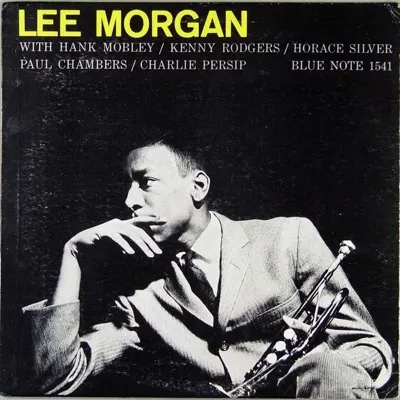
Wikipedia credits the sleeve to Reid Miles, with photography by Francis Wolff.
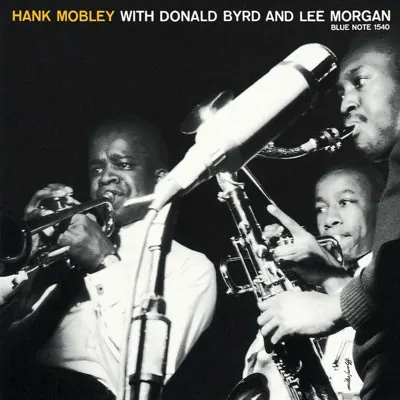
Nat Hentoff, in Down Beat, called it an encouraging debut. Three weeks later Morgan was back at Van Gelder's for Hank Mobley's date, and a week after that he led a sextet of his own.