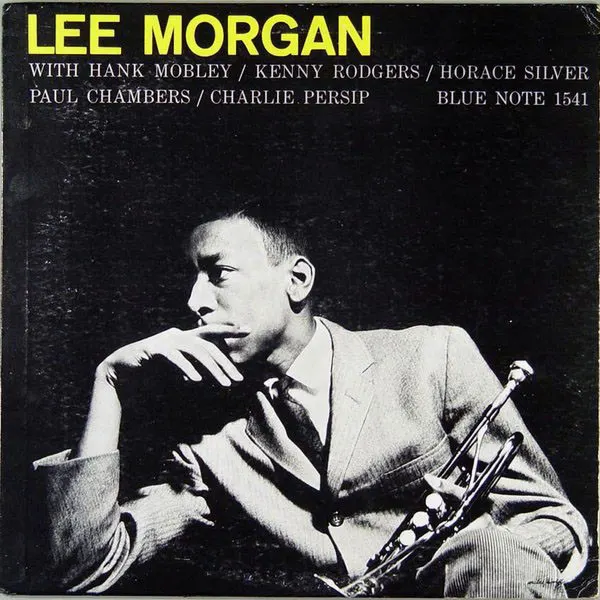
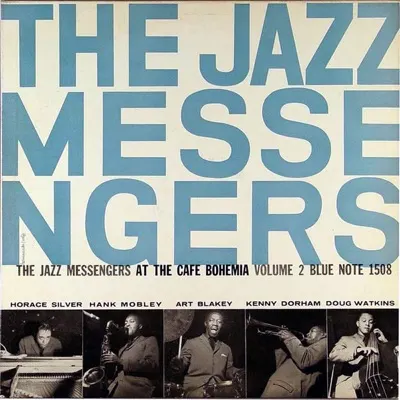
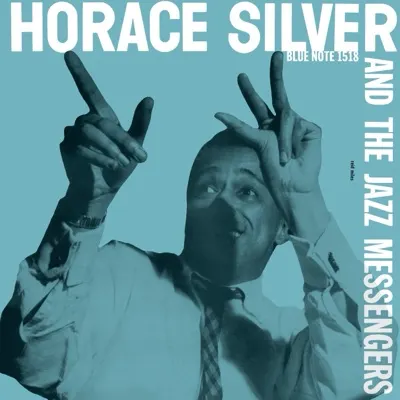
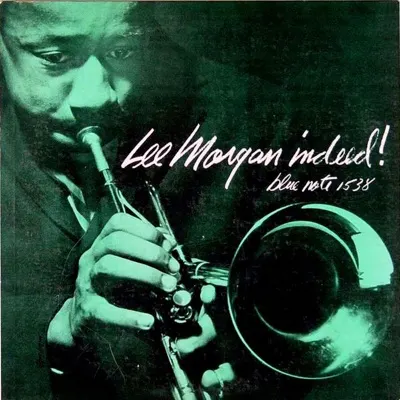
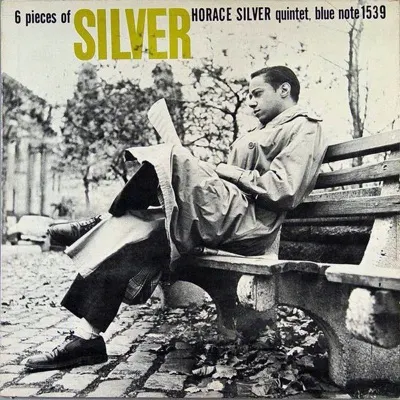
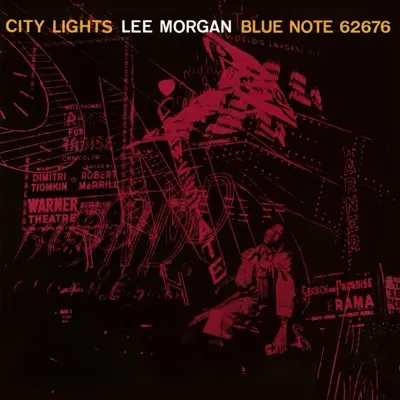
Lee Morgan was 18, a trumpet player from Philadelphia, and moving fast. Leonard Feather, in the original notes, traces it: a short spell subbing in the Jazz Messengers in the summer of 1956, then a chair in Dizzy Gillespie's big band not long after his 18th birthday. His first record as a leader, Indeed! (BLP 1538), had just been made for Blue Note. This was his second.
Much of the book came from Benny Golson, another Philadelphian, who had joined the Gillespie band that July. Feather gives Golson's road: piano first, tenor at 14, Howard University, then rhythm and blues, Tadd Dameron, Lionel Hampton and two years with Earl Bostic, where he learned to write. Two tunes came from Owen Marshall, a Philadelphia friend of Morgan's, with Golson arranging.
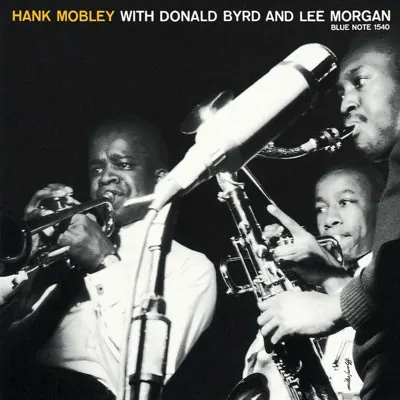
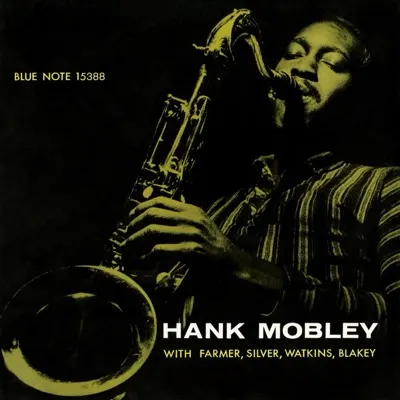
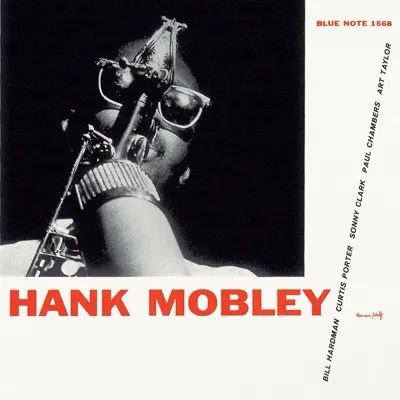
The date was Sunday, December 2, 1956, at Van Gelder's in Hackensack, with Alfred Lion producing. A week earlier, Morgan had played on Hank Mobley's sextet date there, which became BLP 1540. Mobley, Horace Silver, Paul Chambers and Charlie Persip, Gillespie's drummer, all stayed on. Donald Byrd stepped out, and Kenny Rodgers came in on alto, another young Philadelphian, 19 by Feather's count. Six tunes were cut, and all six made the record.
Side one opens with Golson's "Whisper Not." Morgan plays it muted, and Rodgers, Mobley and Silver follow. On "Latin Hangover," also Golson's, Morgan leads the horns and Chambers gets a turn. Marshall's "His Sister" begins with a seven-note pickup played without the rhythm section. Rodgers has a good solo, and Feather points to a nod from Morgan to another trumpeter:
You'll notice a touch of half-valve humor a la Clark Terry on Lee's solo.
Leonard Feather, original liner notes
Side two starts with "Slightly Hep," built on a bass line that moves against the melody. "Where Am I" is the ballad, mostly Morgan's. Golson told Feather what it meant to him:
a melancholy ballad – I was in this kind of a mood that day.
Benny Golson, in Leonard Feather's original liner notes
Marshall's "D's Fink" closes the record, switching between a Latin beat and straight time, with solos all round before a sudden ending.
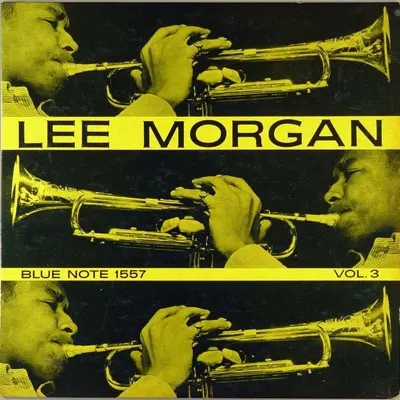
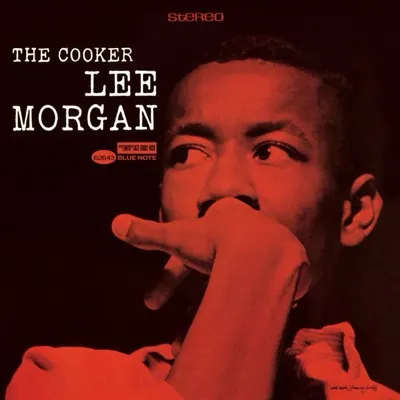
The sleeve was designed by Reid Miles, with a photograph by Francis Wolff.
The record came out at the end of May 1957. By then Morgan had been back at Van Gelder's with Chambers and Persip for another sextet session, four months after this one.