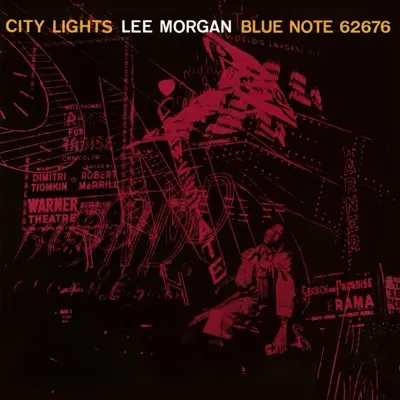
Ira Gitler starts the original notes with a word game. "Mobley" makes him think of a college football star, then of Moberly, Missouri, where he once heard Woody Herman's band, and finally of mobility, which he names as the chief asset of Hank Mobley's playing. Mobley came from Newark. Max Roach brought him across the Hudson in 1952, and by the time he joined Art Blakey's Jazz Messengers in 1955 he had found his voice.
His sound, neither hard nor soft but round, firm and fully attacked
Ira Gitler, original liner notes
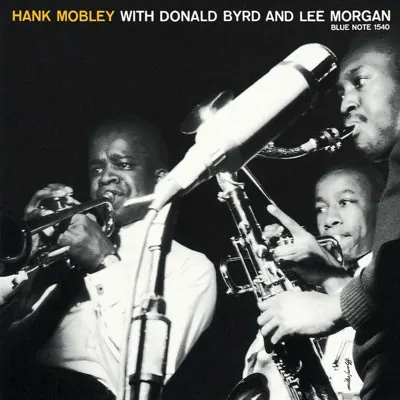
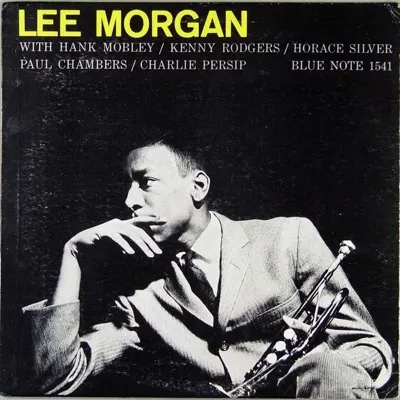
Lee Morgan was still a teenager who had made his name in Dizzy Gillespie's big band, and he and Mobley had already shared two sextet records on Blue Note. A week before this date, Morgan had cut a quartet session of his own. This time the two horns shared the cover.
The date was Sunday, February 9, 1958, at Van Gelder's in Hackensack, with Alfred Lion producing. Wynton Kelly, another Gillespie alumnus, played piano, and Paul Chambers, then with Miles Davis, played bass. On drums was Charlie Persip, who had spent four years with Gillespie and, Gitler notes, was studying at Juilliard. Eight takes were made over the day, and five tunes went on the record. Four of them are Mobley's.
Side one opens with "High and Flighty," fast and swinging: Mobley, Morgan and Kelly solo, then the horns trade fours with Persip. Kurt Weill's "Speak Low" sets the melody over a Latin rhythm before the solos move into four. The title tune looks back to late-1940s bop.
The abrupt little stops in the theme are especially ear catching.
Ira Gitler, original liner notes
Side two is two long blowing pieces. "Stretchin' Out" opens with Morgan, Kelly and Mobley, and it is the one place Persip takes a solo. "Git-Go Blues" runs past 12 minutes, with Mobley, Morgan, Kelly and Chambers in turn and Mobley back briefly at the end. Gitler closes the notes with a joke on his own name and the title: he takes the hint, and goes.
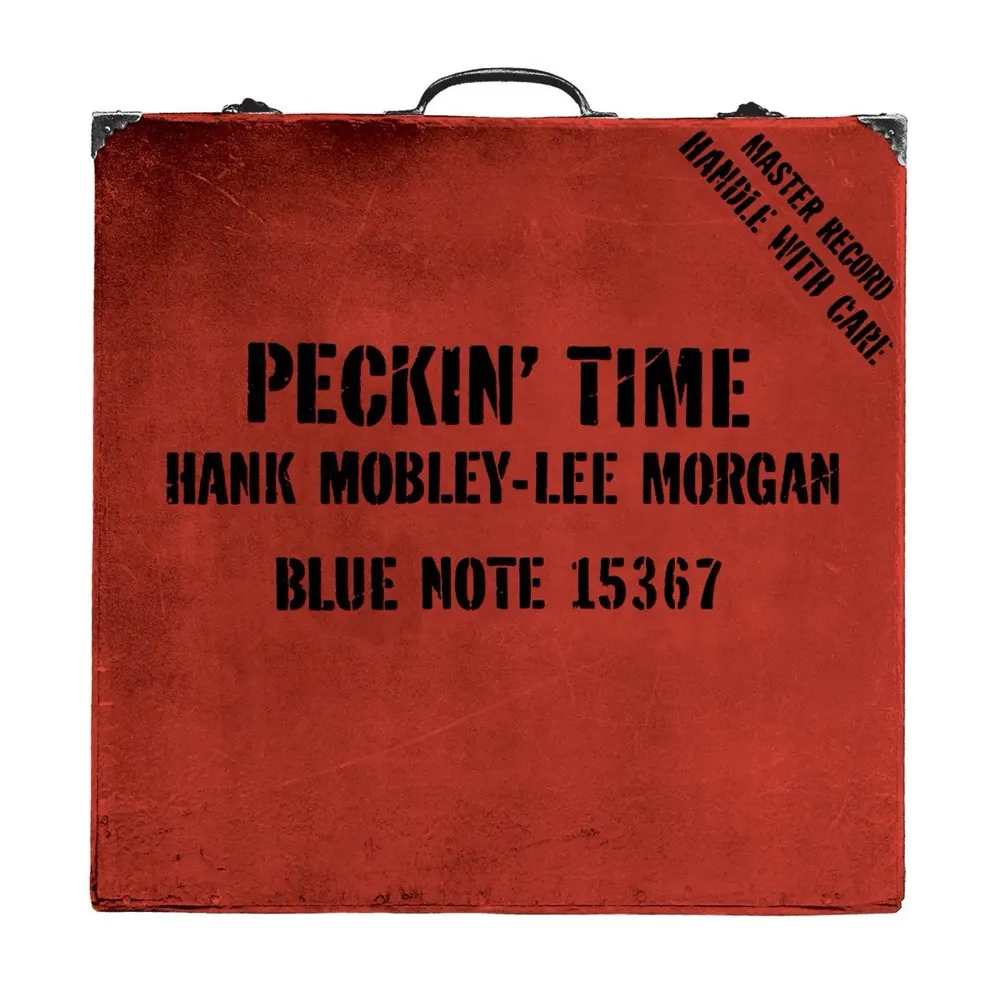
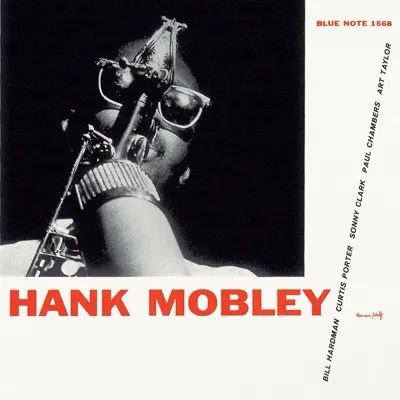
The cover carries a Francis Wolff photograph.
Blue Note sat on the record for well over a year; it came out in late 1959, and Down Beat gave it three and a half stars early in 1960. Later critics warmed to it. Steve Leggett, at AllMusic, summed it up: "It all adds up to a fine program." The three alternate takes from the day, of "High and Flighty," "Stretchin' Out" and "Speak Low," waited for the CD.