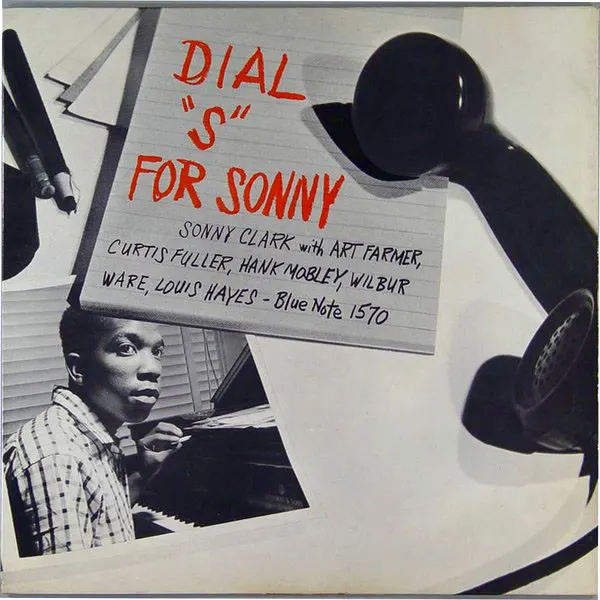
Sonny Clark started early. Robert Levin, in the original notes, has him at the piano at four in Pittsburgh and playing boogie-woogie on radio amateur shows by six. After his mother died in 1951 he went west with an older brother, worked around Los Angeles, toured the States and Europe with Buddy DeFranco, and joined the Lighthouse All Stars. In April 1957 he came to New York with Dinah Washington, and Blue Note started calling.
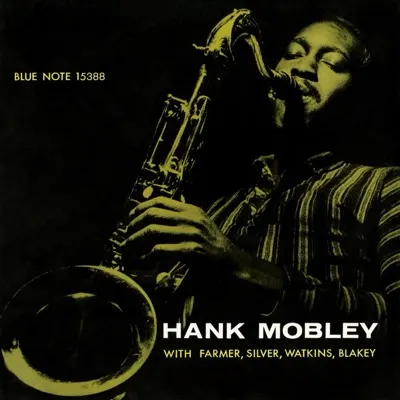
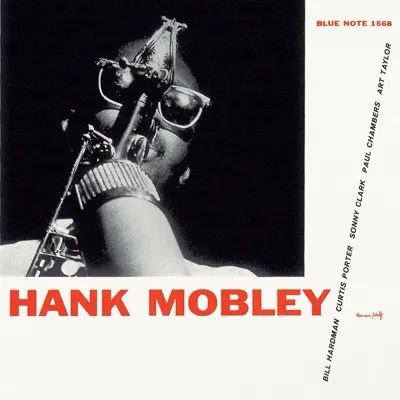
The date was Sunday, July 21, 1957, at Van Gelder's in Hackensack, with Alfred Lion producing. It was Clark's 26th birthday, and his first date as a leader. Levin says Clark chose the band himself, all players he admired. He knew Art Farmer from the West Coast and had jammed with the bassist Wilbur Ware in Chicago in 1954. He had heard Curtis Fuller in Dizzy Gillespie's big band and Louis Hayes with Horace Silver, and he knew Hank Mobley from the Jazz Messengers' records. Six tunes were cut, and all six made the record. Wikipedia calls this Clark's first session for Blue Note, but he had played piano on Mobley's date four weeks earlier.
The title borrows from Dial M for Murder, the play that Alfred Hitchcock had filmed in 1954. The title track opens the record, a Clark tune with a moody minor theme. Mobley, Fuller, Farmer, Clark and Ware all solo. Next is another original.
Bootin' It is a bright, happy opus with Sonny's right hand moving freely and delightfully.
Robert Levin, original liner notes
Hayes trades with the soloists on this one. "It Could Happen to You" is the ballad, with Farmer out front first. "Sonny's Mood" is quick and lively, with Farmer, Mobley, Fuller and Clark soloing in that order. "Shoutin' on a Riff" lets everyone stretch out, Hayes included.
Love Walked In is used as a solo vehicle for Sonny with Wilbur and Louis as his accompanists.
Robert Levin, original liner notes
The horns sit out that last one, the Gershwins' song, and it closes the record as a trio.
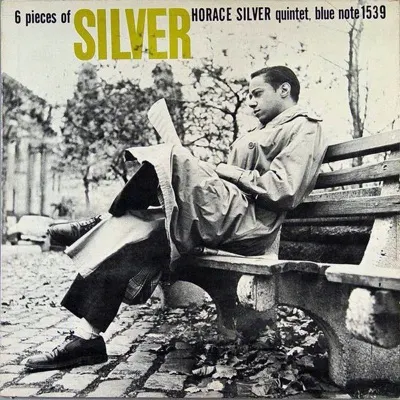
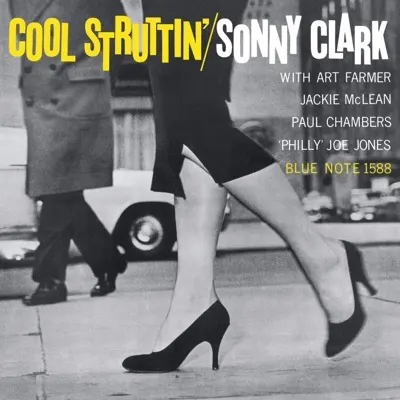
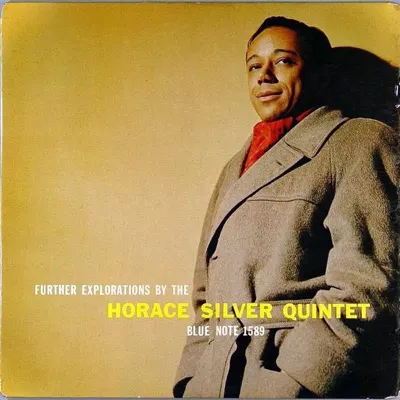
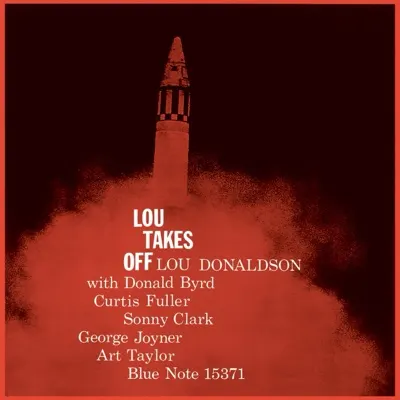
The sleeve is Reid Miles's design, with photography by Francis Wolff.
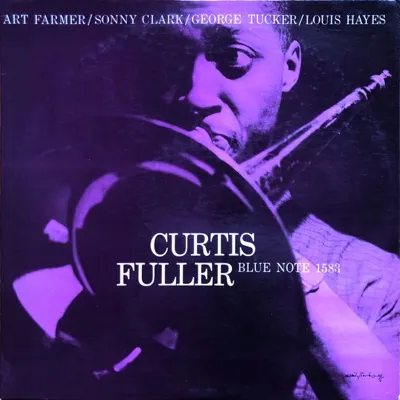
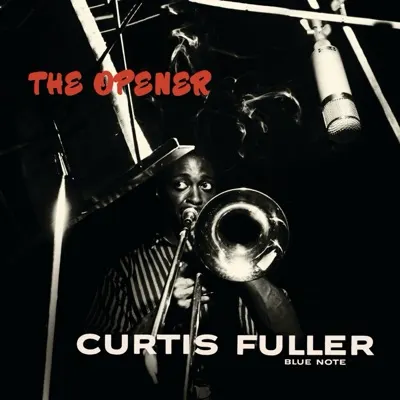
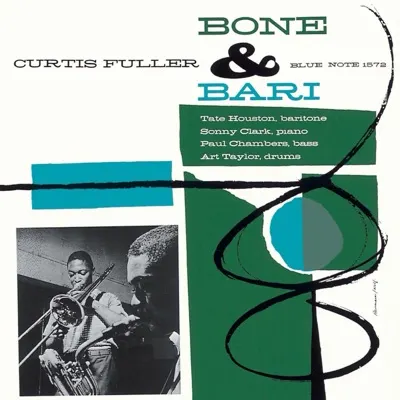
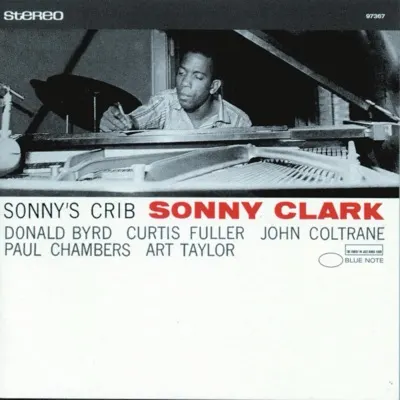
The record came out in November 1957. Don Gold, in Down Beat, gave it three and a half stars. He liked Farmer's lyricism and Ware's bass, and summed it up as "better-than-average, but not shockingly exciting." Clark kept working for the label: two weeks later he was at the piano for Curtis Fuller, and by the end of the year he had made Sonny's Crib and a trio record of his own.