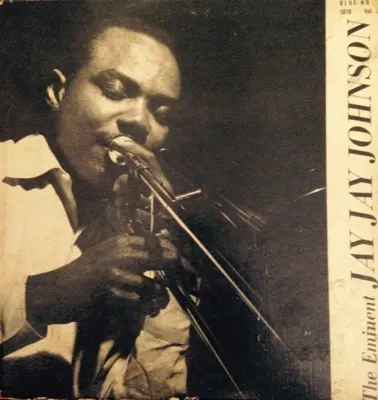
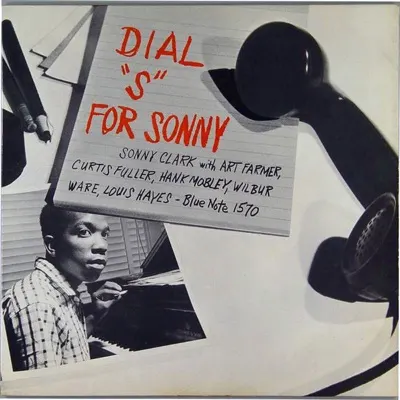
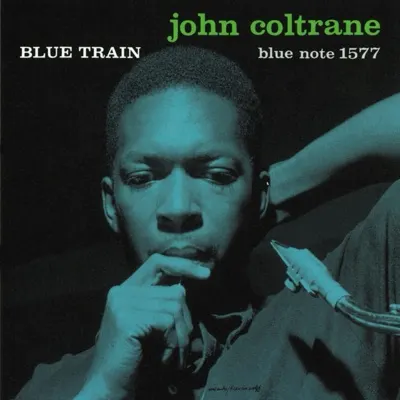
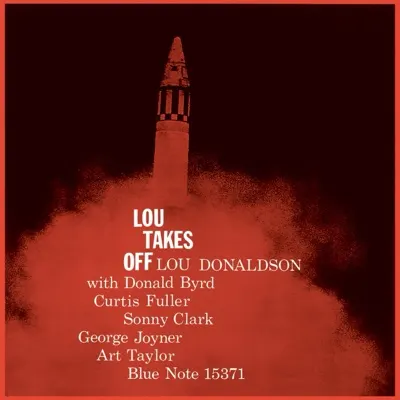
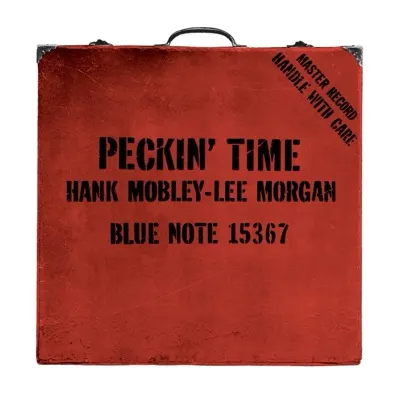
Curtis Fuller was 22 and had been in New York only a few months. He was born in Detroit in December 1934. Robert Levin, in the original notes, tells how his mother bought him a school trombone when he was about seven, and how he let it go after she died. In the Army his sergeant was Julian "Cannonball" Adderley, who talked him into picking it up again. Back home he played Detroit rooms with Barry Harris and Yusef Lateef, then came east in the spring of 1957. He worked briefly with Miles Davis at the Café Bohemia and sat in Dizzy Gillespie's big band.
Levin's notes make a claim that needs a footnote.
The record contained in the sleeve you are now holding constitutes Curtis Fuller's first LP under his own leadership.
Robert Levin, original liner notes
It was his first for Blue Note, but he had already led a date for Prestige on May 11, New Trombone.
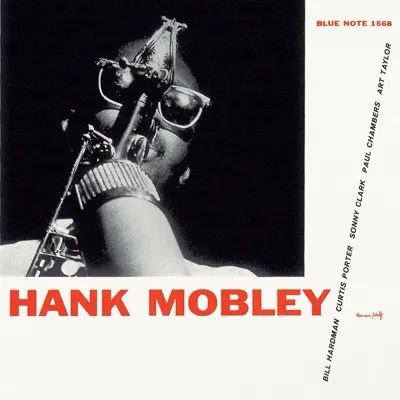
The session was Sunday, June 16, 1957, at Van Gelder's in Hackensack, with Alfred Lion producing. Hank Mobley played tenor, Bobby Timmons piano, Paul Chambers bass and Art Taylor drums. Six tunes came out of the day, and all six made the record. Mobley sits out the two ballads.
Side one opens with one of them, "A Lovely Way to Spend an Evening." Fuller plays the melody, then Timmons and Chambers solo. "Hugore" is Fuller's blues, built on a unison riff, with Mobley, Fuller, Timmons and Chambers taking turns. Then comes Oscar Pettiford's "Oscalypso."
Oscar Pettiford's Oscalypso is the most exciting tune in the set.
Robert Levin, original liner notes
The two horns state it over Taylor's cymbals, and Taylor gets a feature before the fade. Side two starts with the second ballad, "Here's to My Lady," then "Lizzy's Bounce," another Fuller tune shaped like "Hugore" but faster, with Fuller first. The Gershwins' "Soon" closes the record, a happy song Levin says modern groups seldom played.
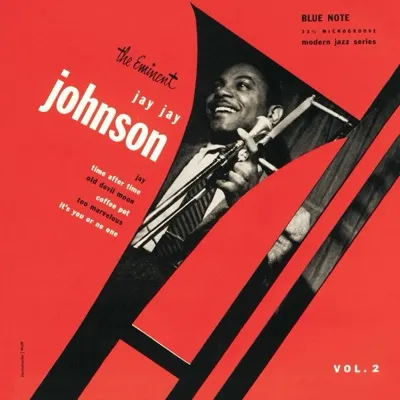
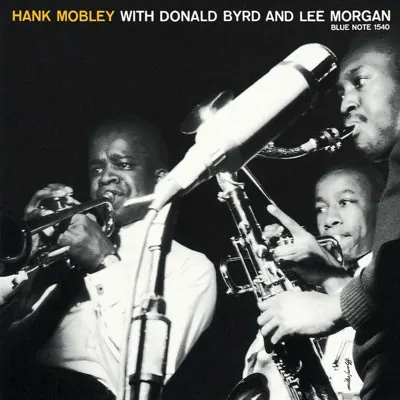
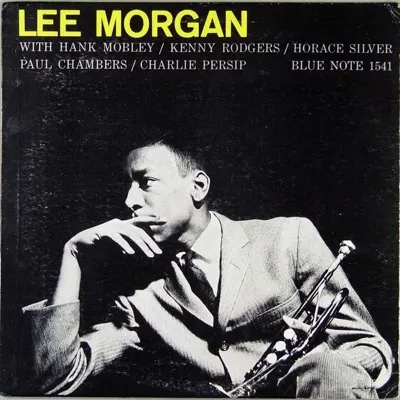
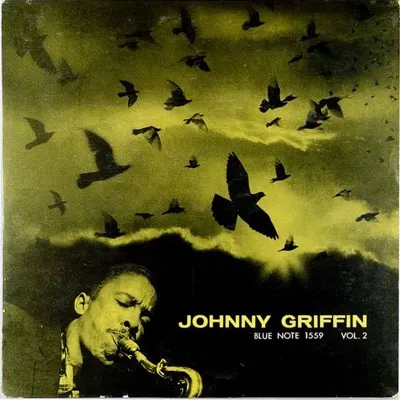
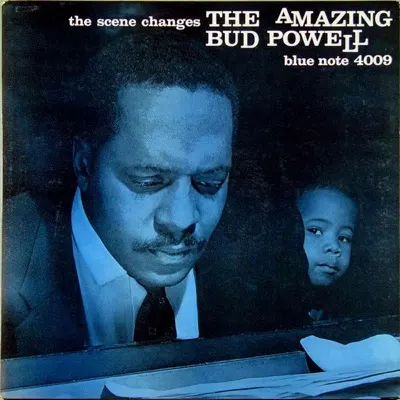
The sleeve is Reid Miles's design around a Francis Wolff photograph. Don Gold, reviewing the record in Down Beat, gave it three stars and singled out the cover photo for praise. He liked Fuller's melodic sense but found his playing too even in volume.
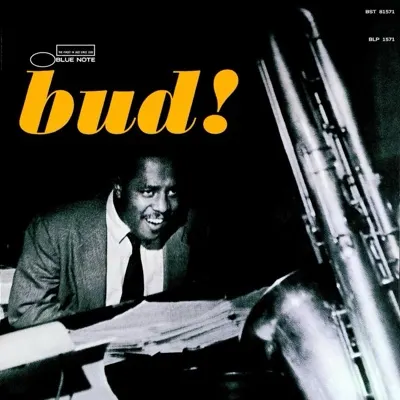
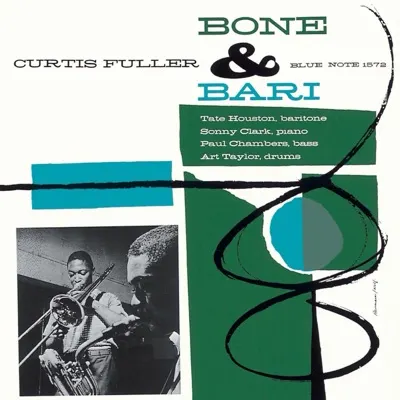
The record came out at the end of September 1957. Levin notes that Fuller had already placed among the new-star trombonists in the 1957 Down Beat critics' poll. He was everywhere on Blue Note that summer: with Sonny Clark in July, Bud Powell on August 3, and his own Bone & Bari the very next day.