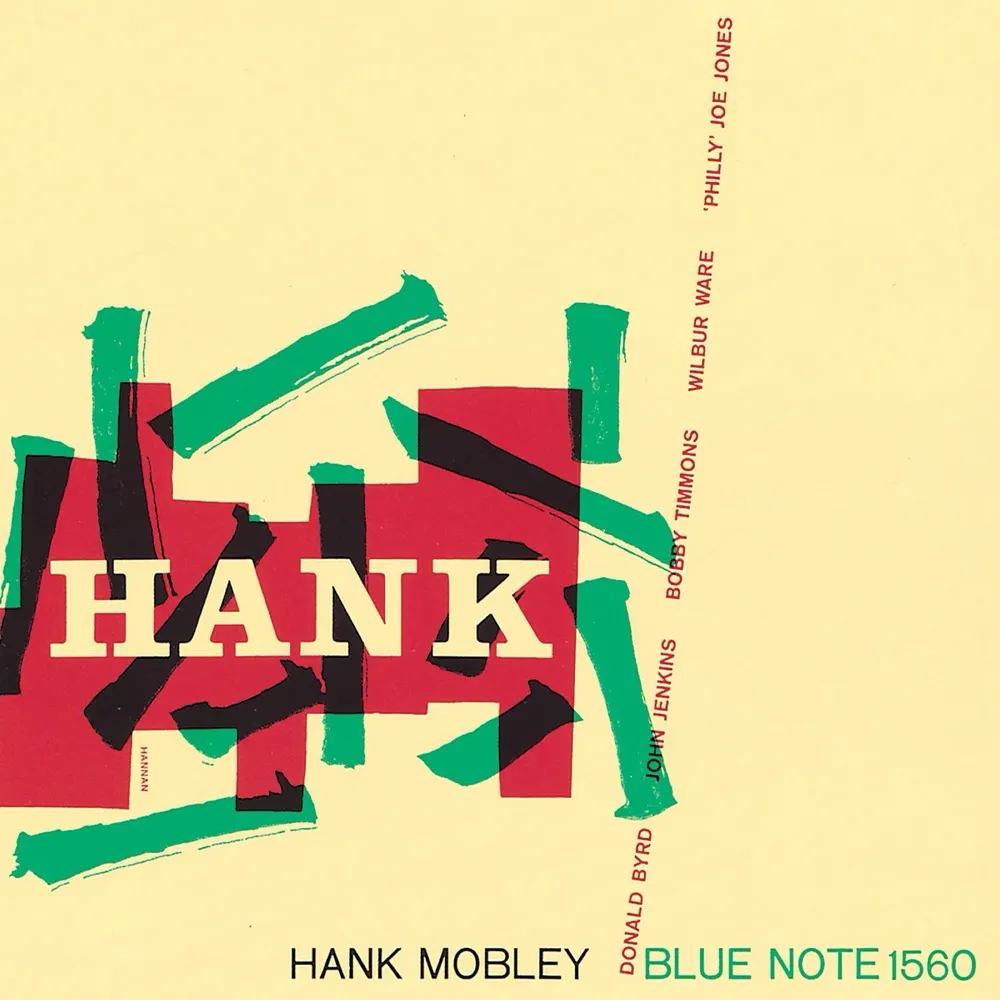
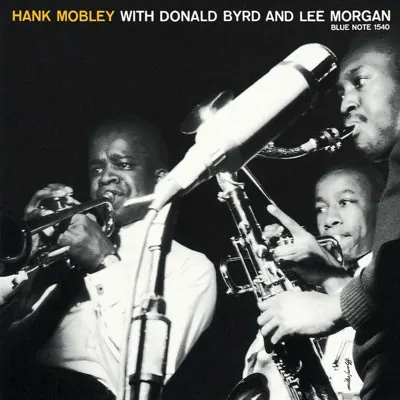
Hank Mobley hardly left Blue Note's studio in these months. Hank was the fourth record under his name the label had taped since November 1956, after Hank Mobley with Donald Byrd and Lee Morgan, Hank Mobley and His All Stars and Hank Mobley Quintet. Ira Gitler, in the original notes, has the tenor player from Newark writing two of the tunes and choosing the other three.
The date was Sunday, April 21, 1957, at Van Gelder's in Hackensack, with Alfred Lion producing. Donald Byrd played trumpet. He and Mobley had recorded together often, and in 1956 they had shared the front line of the Jazz Messengers. The new face was John Jenkins, an alto player from Chicago, making his first record. Gitler places him in the first generation after Charlie Parker, and calls him
a particularly virile exponent of the style.
Ira Gitler, original liner notes
Bobby Timmons, a young pianist from Philadelphia, sat in with Wilbur Ware, who had come to New York from Chicago, on bass, and Philly Joe Jones, the drummer in Miles Davis's quintet. Five tunes came out of the day, and all five are on the record.
Side one is Mobley's own. "Fit for a Hanker" is at a medium-up tempo, and Gitler calls it uncomplicated but effective. "Hi Groove, Low Feedback" is slower, and runs close to ten minutes. Side two opens with Cole Porter's "Easy to Love," taken fast; Gitler hears the rhythm section of Jones, Ware and Timmons laying down a steady wave under the horns. "Time After Time" is a ballad from the Forties, and for Gitler it shows that the horns could play a ballad as well as they could swing. The record ends with Bud Powell's "Dance of the Infidels."
His verdict was brief.
The results are self-evident in the happy listening.
Ira Gitler, original liner notes
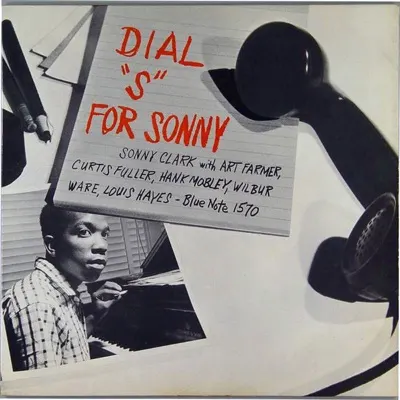
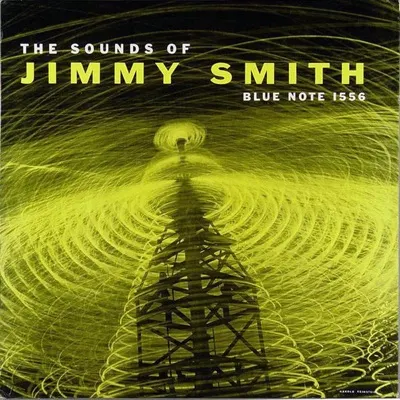
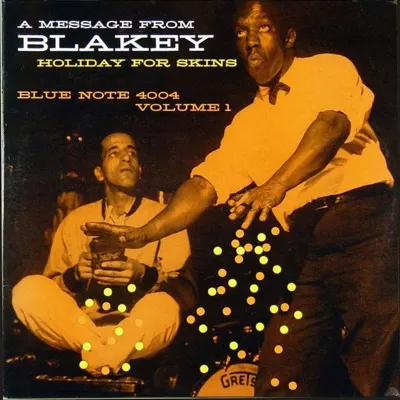
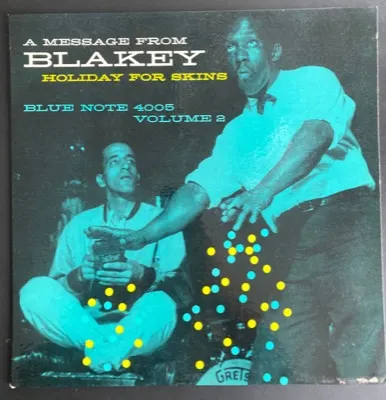
The sleeve was designed by Tom Hannan, with a photograph by Francis Wolff.
The reviews, reprinted on The Jazz Tome, were warm but not unmixed. John A. Tynan gave the record four stars in Down Beat, heard Byrd as the standout and Jenkins as a promising newcomer, and called it a good blowing session. Jack Maher, in Metronome, liked Mobley best of the horns but found the rhythm section clumsy.
Everyone moved on fast. Two weeks later Mobley was at Van Gelder's with Horace Silver, Jenkins was on Cliff Jordan's septet date six weeks later, and Mobley was back with a sextet of his own in June.